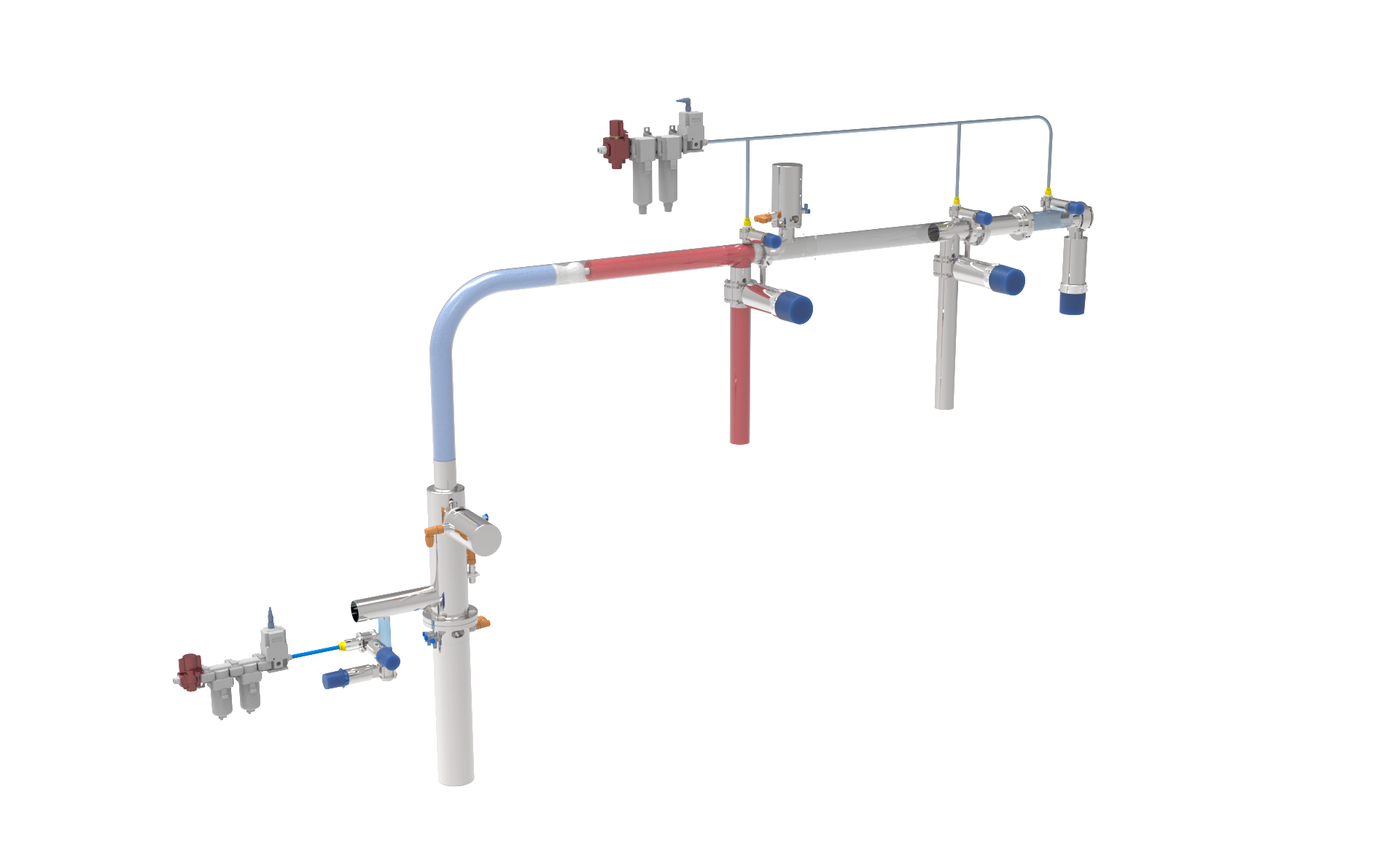
reputation building sustainability led pigging systems for waste cuts?
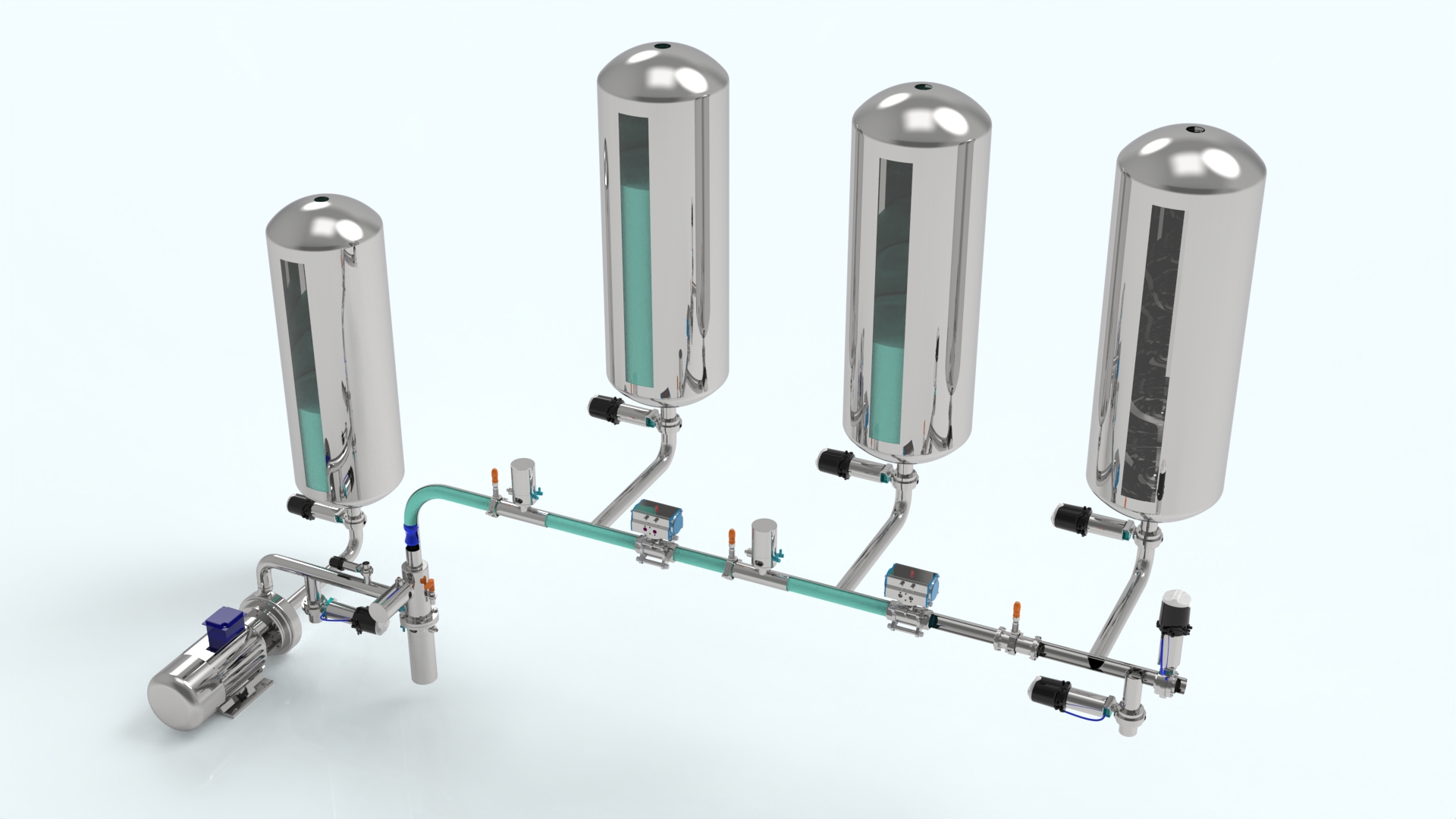
Embarking Cutting-Edge pigging systems pet food Inspection Tools
Hygienic Pigging Techniques in Food Production
Applying cleanroom pigging practices provides maximum hygiene and product safety. These systems contain stainless steel components adapted to handling thorough decontamination routines during preventing germ development.
- Cutting-edge models employ self-cleaning capabilities, elevating maintenance ease.
- Conformance to standards is vital for every food-grade cleaning procedure utilized in nutritional product production. Systems are fabricated to meet strong criteria, assuring the ultimate product safety.
Advancing Operational Excellence through Pigging Systems
Pipeline maintenance pigging tools offers a dominant approach for boosting pipeline throughput. By using intelligent pig placement and strategic evaluation timetables, operators can limit operational pauses, enhance stream velocities, and ensure network health. Pigging exposes potential issues such as barriers or rusting but also initiates efficient servicing and review techniques. This planned line operation notably decreases budget outflows and adds to the complete trustworthiness of pipeline framework.
Pigging Technologies for Pet Nutrition: Safety and Quality
Pigs for pipeline maintenance have become indispensable components within the pet chow production industry. These systems enable the safe and efficient transfer of components through tubes, decreasing cross-contamination. By efficiently partitioning different materials or output segments, pigging systems contribute guarantee the highest levels of grade and soundness in pet food production.
As well, pigging systems equip a set of benefits, consisting of reduced downtime for sterilization and care, improved process efficiency, and scant product loss. The use of pigging systems ultimately facilitates the production of trusted, balanced, and stable pet food.
Sanitary System Design for Pet Food Production
Within the manufacturing of pet food, achieving reliable sanitation is fundamental. Pigging systems are central in guaranteeing product excellence and protection by efficiently cleaning pipelines between formation stages. A well-designed pigging system entails parts that limit contamination risks, strengthen consistent hygiene practices, and hinder product blending between batches.
- Employing polished textures avoids the potential for contaminant proliferation.
- Elements that are cleanable and deterioration-proof are vital for upholding hygiene.
- Reliable barriers stops the backflow of hazards during decontamination and material passage.
Sanitary pigging system designs also increase system productivity by shrinking downtime for sanitation. By carefully extracting residues and defending against cross-contamination, these systems support to a more robust production process, finally leading to the generation of clean and outstanding pet food.
Conduit Sanitation and Monitoring
Protecting the wholeness of tubes is essential for protected and efficient flow of inputs. Pigging systems provide a value-driven solution to maintaining pipelines. A pig, also named a pipeline inspection tool, functions as a high-tech device launched through the pipeline to undertake various processes. Cleaning pigs agitate buildup and contaminants, while inspection pigs are outfitted with mechanisms to detect corrosion in the pipe walls. Regular pigging helps reduce pipeline problem, maintaining safe and reliable performance.
- Multiple types of pigs perform, each configured for specific purposes.
- Pigging operations are powerful and can be operated from distance.
- Implementing a pigging program can increase the durability of pipelines and diminish maintenance costs.
Cutting-Edge Pigging Systems in Animal Feed Manufacturing
Pigging stands as a key approach in the pet food industry, confirming efficient and sanitary production.
Modern pigging technologies utilize sophisticated tools to successfully disinfect pipelines. This curtails the risk of intermixing between different pet food batch variations, thereby elevating product safety and quality.
As well, advanced pigging technologies offer a range of benefits such as: * Augmented maintenance performance * Shrunken interruption frequencies * Heightened sanitation adherence * Cut down use of environmentally unfriendly products
The adoption of these technologies signifies the pet food industry's commitment to producing safe and high-quality products for consumers.
Challenges and Solutions in Pigging Systems for Pet Food Production
Pigging systems are crucial in the pet food production process, confirming efficient distribution of substances and finished products. However, these systems deal with numerous challenges. One common obstacle is blockages caused by element clustering. Resolving this challenge involves implementing pigging processes such as customizable equipment and refining ingredient structures.
Another problem is the possibility of contamination. To minimize this, strict purification protocols have to be followed throughout the pigging system. This embraces regular purification of pigging machinery and implementation of efficient cleaning chemicals. Regular inspections are also mandatory to pinpoint potential complications early on. By executing these solutions, pet food manufacturers can guarantee the efficiency and soundness of their pigging systems.
Positive Impacts of Pigging Methods on Pet Food
Pigging applications offer a variety of strengths for pet food manufacturers trying to enhance their production processes. These systems harness hydraulic pressure meant to propel an pig, a cleaning device, through the pipeline, reliably removing product residue and contaminants. Therefore, pigging systems facilitate to superior hygiene standards, shrinking the risk of cross-contamination and providing a safer final product for buyers.
- Additionally, pigging systems can amplify production efficiency by reducing downtime for cleaning and maintenance.
- What's more, they help to curtail waste by limiting product loss during pipeline cleaning.
- Moreover, pigging systems can be built to fulfill the specific requirements of different pet food production lines.
Empirical Evidence of Pigging Advantages in Pet Food
Pet diet production area is embracing efficient and sanitary processes for securing optimal product quality. Pigging systems have turned into a popular solution to meet these demands, offering a dependable method for cleaning and evaluating pipelines within pet food plants.
Numerous case studies reveal the performance of implementing pigging systems in various segments of pet food production.
- Manufacturers like [Company A], [Company B], and [Company C] have recorded significant improvements in sanitation, product standard, and overall operational capacity following the adoption of pigging systems.
- Advantages such as reduced downtime for cleaning, curtailed cross-contamination risks, and improved oversight of product flow have been reported in these case studies.
Furthermore, pigging systems contribute to greenhouse gas emission reduction by increasing resource utilization and minimizing waste generation.
Deciding on the Right Pigging System for Your Pet Food Pipeline
On the subject of ensuring the hygienic standards of your pet food system, a trustworthy pigging system is paramount. Pigging systems optimize efficiency by flushing product residue and reducing cross-contamination between batches. Selecting the appropriate system depends on a variety of elements, including your capacity, feedstock characteristics, and deployed infrastructure.
- Weigh the diameter of your lines to ensure a appropriate pig design.
- Scrutinize the density of your pet food products to decide on the correct pig material and tempo of operation.
- Promote systems that contain features like mechanized launching and retrieval for advanced user safety.