regulation friendly consumer safe sanitary pipeline pigs measures?
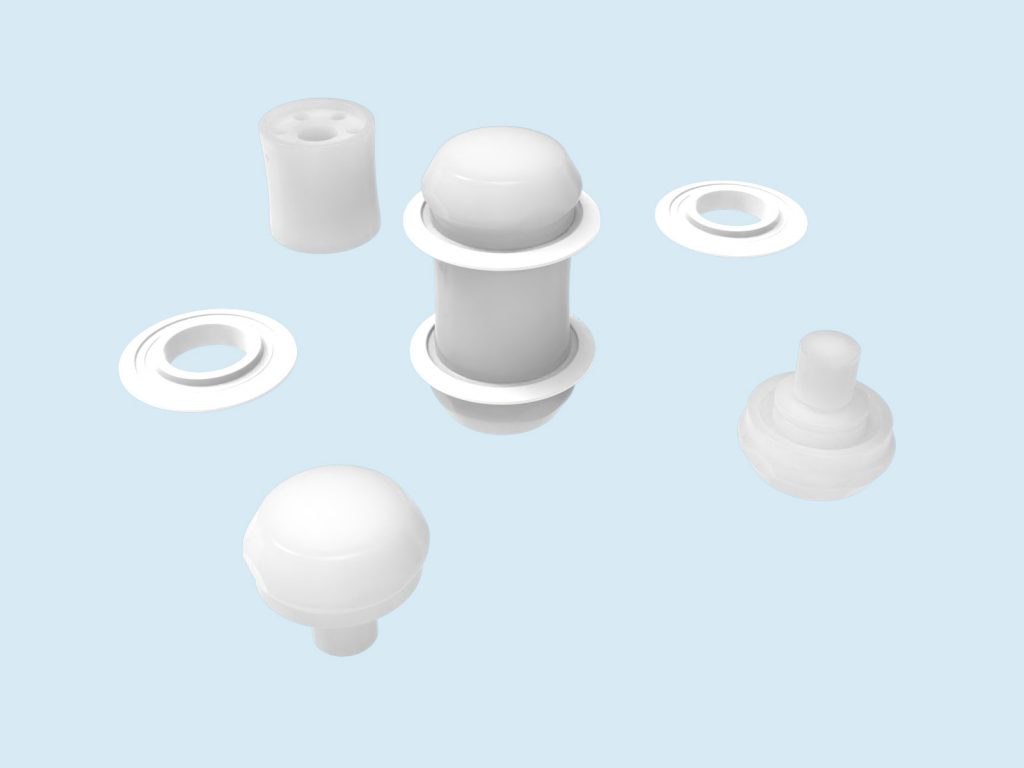
Across the strict preconditions of the nutritional preparation trade, guaranteeing unparalleled purification within passages is critical. Classic cleaning methods often fail in fulfilling the required extent of spotlessness. This is where specialized pipeline maintenance equipment acts. These pigs are designed with detailed attention to detail, using safe elements and coatings that meet the highest compliance mandates.
Utilizing a combination of procedures, sanitation tools effectively remove dirt from pipelines, ensuring a safe product flow. This technique offers a resource-saving solution for maintaining the stability of food processing operations.
- Merits of sanitary pipeline pig technology include:
- Enhanced sanitation levels
- Declined risk of adulteration
- Boosted item superiority
- Budget optimizations
Inline Cleaning Physics
Inside operational environments, guaranteeing neat tubes is essential. Contamination can wreak havoc on product quality and even lead to liabilities. Happily, pigging apparatuses have emerged as a superior solution for offering complete sanitation. These setups adopt engineered "devices" – cylindric - devices that are moved through conduits to eliminate residual item and debris. By harnessing durable resources and adhering to tight cleanliness standards, pigging mechanisms confirm detailed pipeline decontamination.
- Moreover, these arrangements provide a value-for-money strategy for retaining pipeline stability.
- Their integration can significantly curtail downtime and maintenance investments, ultimately assisting to improved operational capability.
While areas progress, the desire for hygienic pigging systems will only amplify. These frameworks represent a vital factor in guaranteeing the making of uncontaminated, top-grade commodities while promoting nature conservation.
Pipeline Maintenance Tools for Hygienic Conduits
Securing the integrity of hygienic conduits is critical to ensuring end-user protection and danger avoidance. Regular maintenance are vital for checking infection, raising functional duration, and minimizing disruption costs. This is fulfilled by pipeline pigs. These state-of-the-art devices offer a adaptable solution for scanning clean lines, providing a complete and powerful method of maintaining functional output.
- Responsive pipeline devices are typically sectioned in layout, allowing them to thread elaborate corners within clean halls with ease.
- They can be equipped with various enhancements depending on the specific application. For example, washing devices may agitate buildup while surveying devices are outfitted with detectors to pinpoint potential issues such as degradation or clogs.
- Utilizing pipeline pigs is a efficient operation, often requiring minimal interference to workflows.
By harnessing the efficacy of pipeline pigs, industries such as food and beverage can elevate the capability and robustness of their sterile ductwork, ultimately leading to enhanced output.
Preserving Pipeline Health with Pigging Equipment
Utilizing reliable sanitation management is critical within the chemical sector. cleaning devices, play a instrumental role in supporting this purpose. Sanitation-focused pigging devices, specifically designed handle particular liquids, effectively remove residues and prevent the risk of output pollution. These tailored machines are fabricated from tough ingredients, providing reliability even in severe circumstances.
- Regular pigging tasks improve to the overall stability of your channels.
- Advantages include increased reliability.
By deploying pipeline sanitation tools as part of your workflow protocols, you can alleviate pollution hazards and secure the innocence of your notable materials.
Pharmaceutical Batch Cleaning with Pigging Systems
In the high-standard medication production, preserving superior hygiene is fundamental to securing unspoiled substances and protection. Pigging interventions play a key role in this mission by effectively clearing away residual particles from production circuits between series. This process involves using a piglet, a specially designed unit, to eject cleaning agents through the ducts. By intensively purging and rinsing the network, pigging helps limit cross-contamination and safeguards that each lot is generated in a pure environment.
- Integrating pigging methods into industrial chains contributes to overall sanitation and diminishes the risk of goods spoiling.
- Selecting the appropriate pig type and cleaning chemical is indispensable for adequate cleaning of residual materials.
- Tracking pigging procedures validates proper execution and helps spot any potential complications.
Hygienic Pigging Systems: A Critical Component in Dairy Processing
Inside the key dairy processing domain, ensuring spotless purity is necessary. Dairy consumables are highly susceptible to tainting, and even trace amounts of harmful microorganisms can result in serious health risks or withdrawals. Pipeline cleaning setups, therefore, play a fundamental role in maintaining the wellbeing and value of dairy items throughout the entire operational workflow.
- These setups effectively eliminate residual product from pipelines and installations, curbing cross-contamination and buildup of potentially harmful toxins.
- Periodic pigging actions help maintain the wholeness of the workplace, minimizing the risk of malfunctions.
- By promoting thorough sanitation and sanitation, hygienic pigging systems contribute to a more sustainable dairy processing workflow.
As well, modern pigging solutions often feature automated management for augmented accuracy. This enables processors to maintain comprehensive hygiene protocols and generate steady first-class dairy materials, exceeding regulatory guidelines and client hopes.
Upholding Output Excellence Through Pipeline Pigging
Robust pipeline cleaning operations are fundamental for securing product integrity in decontamination-dependent processes. A well-executed pigging plan helps to remove extraneous matter from the channel, discouraging cross-contamination and confirming the flow of superior goods. By implementing careful protective practices throughout the pigging procedure, operators can minimize the risk of batch impurity. This includes the careful picking of pig makeup, the use of sanitizing substances, and thorough pipeline scrutiny before and after pigging.
- Also, trained personnel should administer all pigging tasks in a supervised environment to avoid the infusion of extraneous contaminants.
- Compliance with established sanitary protocols is fundamental for sustaining product integrity and observing regulatory requirements.
Decreasing Cross-Contamination Risks with Dedicated Sanitary Pigs
During foodstuff manufacturing, keeping neatness and limiting crossover are vital factors. Customized sanitation pigs play a fundamental contribution in executing these objectives by minimizing the spread of hazardous organisms amid different areas of the farm. These precision-engineered pigs thoroughly pinpoint and consume waste compounds, inhibiting their accumulation and subsequent potential for corruption. Furthermore, their role can help to inhibit the growth of harmful agents by adjusting the overall microbial context.
- Several studies have demonstrated the effectiveness of sanitation pigs in cutting cross-contamination risks.
- They are particularly valuable in processing waste in spaces demanding for typical cleansing.
Notably that the deployment of a cleaning pig operation should be done thoughtfully and under direction from qualified technicians. This confirms suitable integration into conventional cultivation activities and elevates the payoffs for both animal and human health.