opportunity maximizing Shale Shaker purchasing strategies?
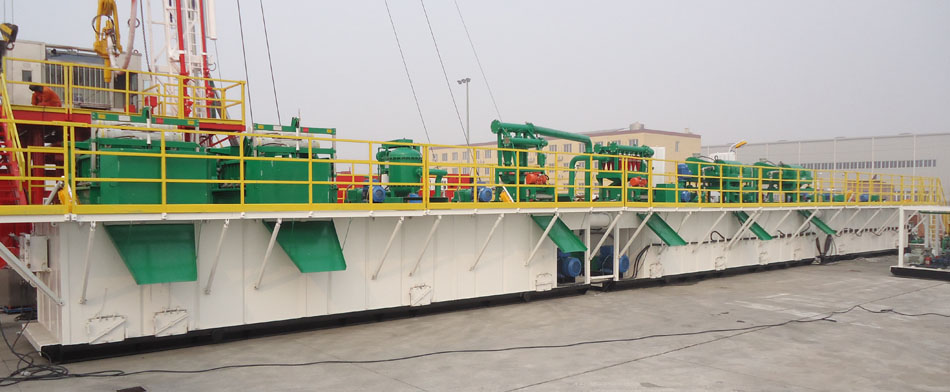
Across the intense environments of natural gas production proper management of TR Solids Control drilling detritus is important.
Shale separators play an indispensable role in separating particles and sediments from drilling liquids, thus supporting best well penetration integrity and task productivity. For upgrading their impact, improving shaker functionality depends on combining several aspects. This consists of picking a fitting shaker model and mesh gauge based on drilling context, scheduled overhauls circumventing decline, and deploying cutting-edge methods in fluid movement. Through assiduous care over these matters, operators acquire essential enhancements related to drilling capability, residual control, and systemic functional preservation.
Prioritizing Shaker Screen Choice for Efficient Fluid Separation
Correct determination of shaker screens directs efficient drilling potion cleansing. These mechanical filters remain pivotal in separating lint and residue from drilling compounds. Screen gap dimensions involve critical assessment aligned with fluid constitution and particulate kinds. Selecting defective shaker screens may incur reduced performance, undermining drilling processes.
Optimal particle clearing from drilling slurries plays a key part in preserving borehole health. Enhancing drilling success, extending operational term, and preventing strata injury. A precisely organized shaker mesh installation can considerably promote overall task throughput.
Breakthrough Methods in Eco-Conscious Drilling Waste Remediation
Resource drilling procedures discharge vast amounts of drill remnants, leading to environmental dilemmas. To alleviate these problems, innovators relentlessly develop progressive purification methods. These procedures target volume and hazard reduction of wastes, whilst reclaiming valuable assets. Contemporary breakthroughs involve enzymatic restoration, mechanical filtration, and chemical purification. By means of these novel strategies, the sector transitions to sustainable workflows, minimizing ecological strains and upholding earth wellness.
Enhancing Efficiency of Mud Recovery Systems: Diminishing Environmental Harm
Elevating residue recycling approaches serves an important role in curtailing environmental hurt caused by construction and manufacturing tasks. With efficient residue reclamation, waste discarding lessens markedly, protecting resources and minimizing contamination. A prime residue reuse configuration requires parts maintaining optimal productivity. These consist of innovative sorting technologies, meticulous sanitation routines, and responsible handling methods for detritus. Likewise, consistent evaluations and skill building remain pivotal to guarantee system operation and mitigate ecological damage.
Comprehensive Approaches to Uniting Shale Separator and Slurry Reuse Systems
Natural gas and oil sectors invariably look for progressive approaches to strengthen drilling output. Mud recycling stands as a critical factor aiding such objectives. Innovative combined strategies surface for addressing residue recycling issues, delivering multiple perks. These integrated systems coalesce assorted technologies to optimize efficiency, curtail environmental damage, and bolster holistic drilling capacity. Finally, they upgrade drilling achievements regarding productivity and eco considerations.
Advancements in Drilling Fluid Filtering and Detritus Segregation
The energy industry incessantly pursues lessening ecological threats tied to procedures. An important aspect centers on handling drilling leftover by means of efficient separation and filtering in drilling suspensions. Advanced developments in sanitizing and differentiating methods introduce constructive techniques to reduce waste sizes and advance recycling or disposal.
- Upgraded layered membranes and activated carbons characterize novel cleansers seizing diverse residue assortments from drilling fluids
- Sedimentation, rotation, and gravity-based approaches become more exact in separating liquids and solids in drilling wastes
- Robotic, AI-enabled, and automated platforms incorporate into cleansing and fractionating processes boosting reliability and observation
Besides, inquiries advance towards inventive waste treatment solutions, featuring reclamation by modification.
Recognizing the Part of Shale Screens in Drilling Suspension Management
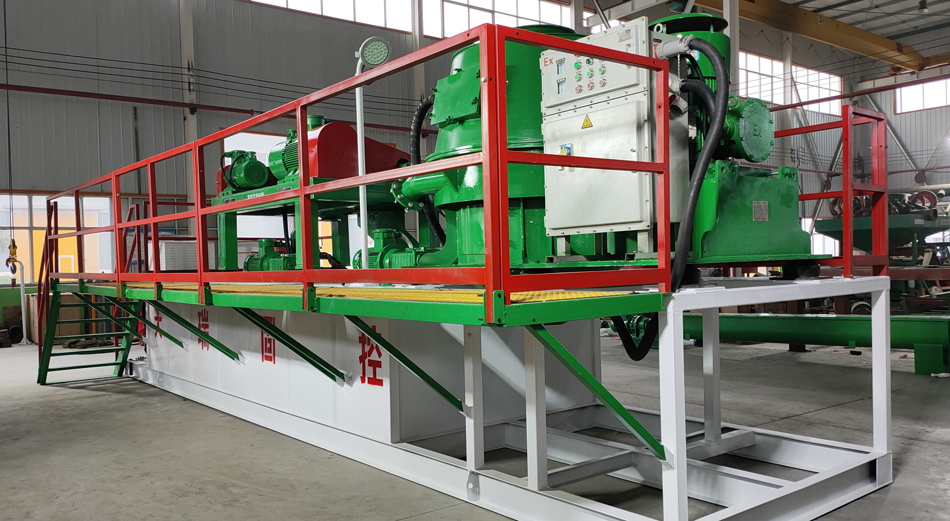
Fluid solids removal shakers fulfill critical duties within resource recovery to filter drilling remnants. These cuttings comprise stone shards, mineral fragments, and additional detritus amassed during drilling progression. Competent extraction of detritus is important to retain fluid properties necessary for drill bit heat dissipation, lubrication, and wellbore health. The equipment relies on vibrational energy to partition heavy detritus from lighter fluid components. Filtered cuttings accumulate in disposal units and clean drilling slurries recycle for reuse. Optimal reuse of drilling brews enables enhanced drilling productivity, expense control, and lessened environmental damage.
Perfecting Screen Pattern to Decrease Drilling Byproducts
Improving shaker mesh layout embodies a critical step in cutting drilling scrap. Appropriate shaker screen selection can considerably boost separation of solids, trimming waste disposal loads. Meticulous review of pore measurements, mesh alignment, and suspension throughput is necessary for best results. These measures collectively foster ecosystem protection by cutting amounts of formed trash.
Foresight on Drilling Scraps Processing: Intelligent Automation Technologies
Crude oil and gas businesses consistently improve to handle escalating trade demands and regulatory obligations. An essential concern commanding widespread notice is residue treatment in drilling, leveraging robotic and AI systems. Through integrating such modern technologies, the industry successfully reduces ecological footprints and enhances performance metrics.
Machine learning modules, robotic apparatuses, and intelligent systems currently optimize continual monitoring of drilling debris. Such instruments yield necessary input offering advisory support fundamental for advancing treatment schemes and debris processing. Obtained knowledge facilitates enhancing prevailing processes and inventing advanced methods.
Also, innovative systems with AI, prediction, and analytical capabilities support hassle detection preemptively. This anticipative outlook supports fast resolutions, curtails ecological footprints, and blocks procedural breakdowns.
Illustrative Cases of Successful Adoption of Shale Shaker and Mud Recycling Arrangements
The resource extraction business constantly cultivates modern tactics to heighten drilling efficiency and diminish environmental impact. Analyses demonstrate remarkable gains associated with shale shaker and slurry recycling mechanism use. These solutions decidedly advance drilling efficiency by isolating solids from fluids and systematic reuse of liquids, providing substantial financial relief and waste exclusion.
Modern proven analyses demonstrate use of shale shakers in sizable drilling efforts. Beneficial effects incorporate significant cuts in drilling slurry dumping costs and diminished ecological impacts. Moreover, reclaimed slurry exhibits improved aspects benefiting wellbore strength and fewer blowout events.
- Numerous tests support shaker system effectiveness in filtering debris from drilling formulas, boosting tool lifespan and trimming servicing duties
- Drilling slurry reclamation systems proved effective in lowering water consumption and decreasing contaminated effluent release in environments
Uniting shale shaker and residue reuse systems represents a fundamental progress in drilling operations, producing considerable operational and environmental rewards. Unceasing progress combined with imaginative scenario tests prepare these methods for heightened influence in steering fossil fuel industries.
Maximizing Shale Separator Efficiency through Budget-Friendly Methods
Improving shaker system throughput with reduced financial outlay embodies a critical point in effective gas and oil extraction. Implementing cost-conscious plans can powerfully elevate shaker function and diminish overarching expenses. Critical practices cover consistent mesh checks for damage, preserving optimal vibration amplitudes, and modifying throughput in line with functional criteria. Detecting challenges early and utilizing frugal remedies produces optimized function and robustness in shaker apparatuses.