low temperature curing enhancements long-lasting conductive silicone adhesive?

Across the arduous area of circuitry package defense, sealants using acid foundations have arisen as advantageous choices given distinguished grip and resilience in extreme environments. These mixtures establish durable barriers against wetness, rot, and pollutants. Additionally, their versatility interfacing with different surfaces enhances their functional range.
- However
- constraints linger
- about acidified sealing compounds.
These limitations refer to compromise of chip components and speculation about durability across lifetime. Extensive efforts in research and testing aim to mitigate such effects and advance acid-based sealant performance in device assembly
State-of-the-art heat-conductive coatings strengthening device thermal performance
In the progressive device ecosystem, temperature control holds vital importance. With miniaturization of smart devices paired with increased power deliverance, tackling heat concentration is demanding. State-of-the-art conductive membranes feature great temperature diffusion and adjustability. These materials become part of device architecture, promoting efficient heat removal. Application within telecommunication equipment and digital gear enhances runtime, improves efficiency, and supports consistent performance.
- Heat-conductive films provide adaptability via formulation and density changes for optimal thermal functions
- Embedding conductive sheets into manufacturing procedures is generally uncomplicated and seamless
- Persistent improvements advance conductive material attributes and proliferate their usage scope
PSDM Strategies Empowering Device Dependability
Throughout progressing electronic areas, enhancing device trustworthiness is paramount. Technologies like PSDM serve as transformative agents to address this vital concern. PSDM allows users to track operational signs forehand, locate brewing errors, and enforce immediate corrections. Such prescient monitoring meaningfully diminishes downtime, improves function capacity, and prolongs asset operation.
Silicone Elastomers with Conductivity
These sealants combine the adaptability of silicone with the capacity to conduct electrical current. Ideal for uses requiring simultaneous conduction of electricity and heat. Further, heat resistance, moisture blocking, and solar radiation tolerance widen their industrial and consumer applicability
- Generally exploited in gadgets, motor vehicle production, and medical areas
High-Grade Acidic Sealants Optimized for Intense Conditions
Operations dealing with chronic disintegration require solid closures. Modern acid formulations ensure unparalleled security against aggressive acid attacks. Prepared employing durable constituents, the sealant connects strongly with various surfaces, offering persistent protection in acid-rich environments
- Fundamental advantages span leakage prevention, heat resistance, and durable lifespan
Utilize our cutting-edge acid-based sealant to ensure consistent protection in harsh applications
Heat Conductive Materials Supporting Efficient Energy Dispersion
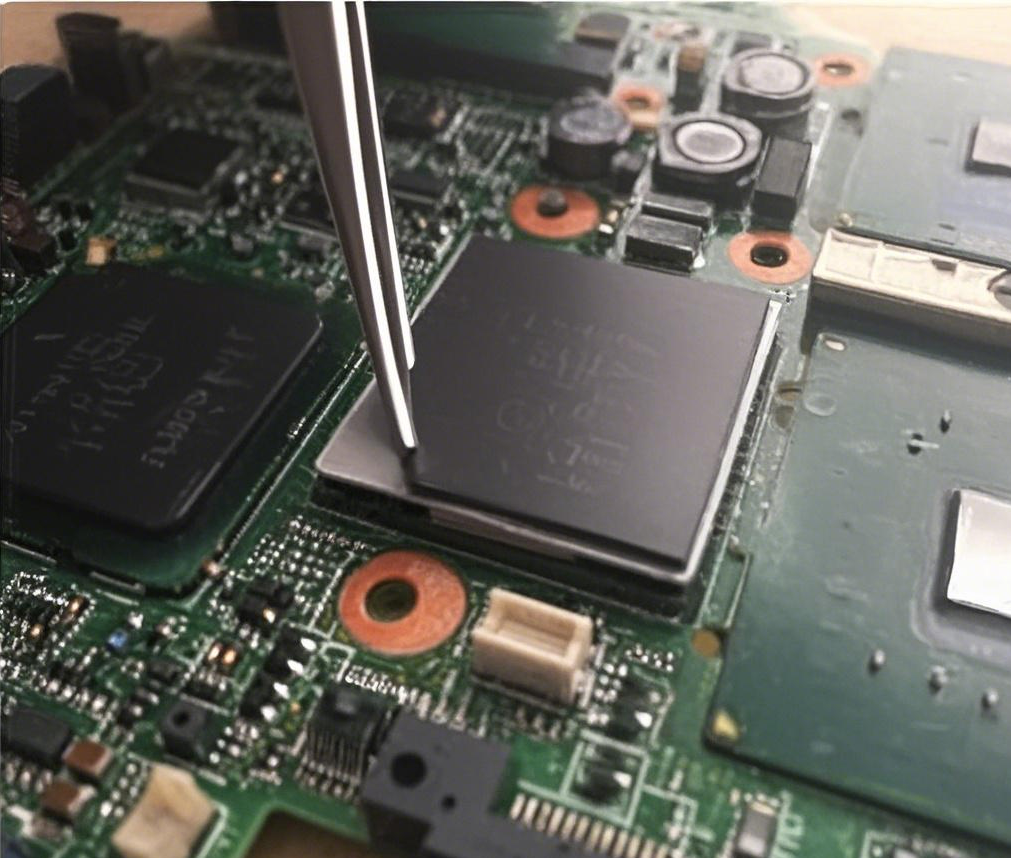
Across electronic engineering and thermal management zones, conductive sealants boost the effectiveness of heat transfer inside products. These agents show exceptional heat flow efficiency to disperse thermal energy emitted by electronic devices. Producing reliable unions pairing devices with heat dissipating systems, these sealants decrease temperature disparities. Hence, outcomes comprise better efficiency, prolonged trustworthiness, and longer usability through heat mitigation.
Selecting a suitable heat-conductive sealant involves considerations like working temperature, material matching, and adhesion criteria. Evolution of thermal sealing compounds steadily upgrades conductivity, promoting smaller and stable heat management methods
Exceptional Bonding Strengths of Silicone-Based Conductive Sealants
Being widely known for impressive adhesion to diverse substrates, conductive silicone sealants ensure strong connections. Superior adhesion ensures stable electron conduction and averts detachment issues. Compositional aspects including conductive fillers like silver particles or carbon black foster strong bonding with metallic, plastic, and glass surfaces. Solid bonding fosters hardware reliability via protection against vibrational, temperature, and moisture impacts.
Evaluating Acidic Sealants for Semiconductor Usage
Sealant choice for semiconductor uses hinges on suitability with underlying substrates. Despite advantages such as excellent bonding and firm attachment, acidic sealants may endanger sensitive semiconductor elements. Comprehensive research and exact testing validate neutrality of acidic Conductive Film/thermal Conductive Sealant sealants regarding semiconductor substrates.
Considerations of pH value, treatment span, and surrounding temperature sway performance and sealant-material interface. Executing detailed analyses preserves sensitive semiconductor substrates against degradation provoked by acid compounds
Impact of Conductive Films on Gadget Manufacturing
Electric current-enabled materials provide critical support for power flow amid device assembly. Such films grant continuous electricity conduction, maintaining consistent performance of multifaceted devices. Domains embracing these films incorporate pliable visuals, transistor films, sensor elements, and compact electronic parts. Effectual conductivity with slim dimensions enables wide use in cutting-edge product engineering
Specifications of electric-conductive films are attentively refined to satisfy project-specific conditions. Exemplifying optimization features electrical conduction controlled to sustain top-level performance and power usage. In addition, conductive membranes situate on materials including polymers, silicates, and metals enhancing design flexibility and application diversity
- Benefits include pliability, delicate structure, and budget-friendly fabrication techniques
- They receive growing utilization in mobile apparatuses, notebook gadgets, and wearable tech
- Emerging trends focus on transparent, flexible, and self-healing conductive films with improved conductivity properties
Evaluation of PSDM Versus Traditional Joining Techniques
Adhesion science features key strategies including PSDM and classic bonding systems. This discourse conducts a comparative examination highlighting their pros and cons. PSDM provides quick, precise bonding ideal for delicate surfaces. Conversely, classic techniques use force-based processes typically ensuring robust bonds while being slower
- Major positives of PSDM feature adaptability and straightforward usage
- Classic adhesive techniques often ensure robust bonding ideal for industrial-grade work
Future Developments in Acidic Sealant and Conductive Film Technologies
The acidic sealant and conductive film industries anticipate substantial growth and evolution. Central trajectories target advancements promoting resilient sealants tailored to severe environments. Alongside, research promotes advancements in conductive coatings for flexible gadgets, sensing elements, and power sources.Partnerships linking scientists and industrial producers remain crucial to accelerate new developments. This strategy of joint innovation delivers tailored acidic sealing and conductive coating technologies addressing broad sector needs