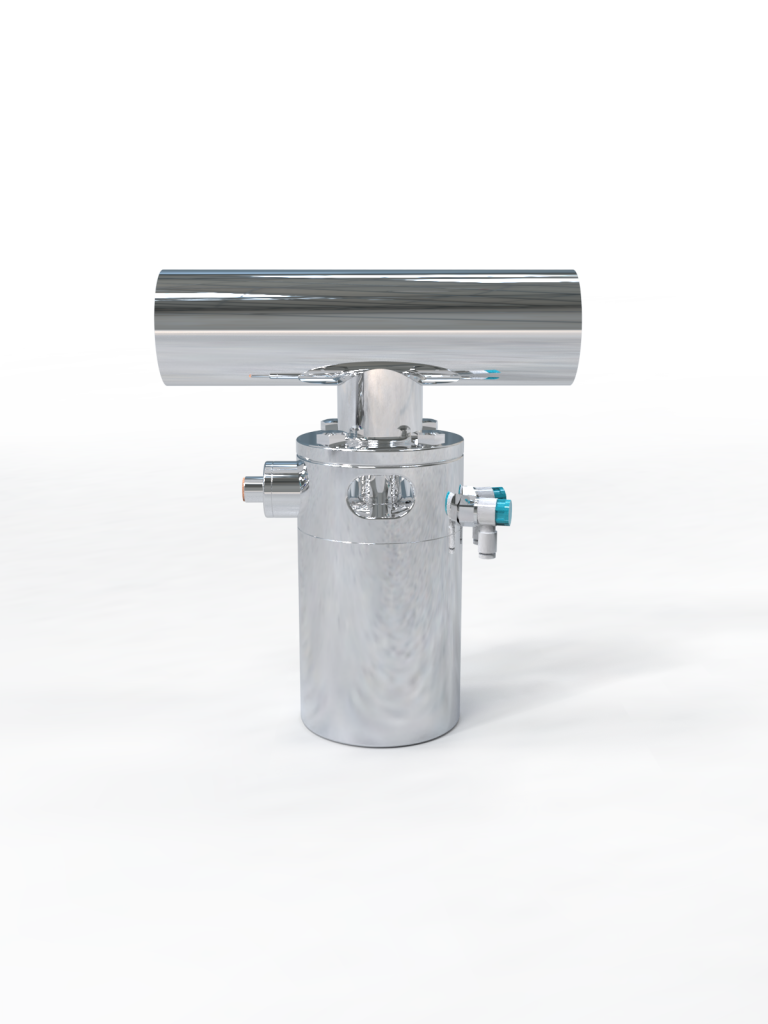
long term focused field deployable pig launching station kit?
This hog deployment and collector arrangement illustrates a advanced tactic to productively and prudently eject healthy animals for various scientific intents. A strong design includes a systematically manufactured propulsion platform, often adopting pneumatic or hydraulic apparatuses, to ensure a regular and directed release. Primarily, the acceptance end of the plan must entail safeguarded installations and apparatuses to alleviate force on the animal post-emission. Elements such as flight analysis, dynamics rates, and external conditions are all integrated into the total process to assure both the pig's condition and the validity of the outcomes obtained. This elaborate setup frequently incorporates duplicate prevention steps to mitigate probable breakdowns.
Seamless Pig Emission and Collection Integration
Obtaining maximum output within your data architecture depends mainly on the cautious bonding of the pig propeller and receiver units. Formerly, these features often acted in remoteness, leading to slowdowns and drawbacks in data flow. Modern approaches emphasize a holistic design, where the emitter not only initiates the pig process, but also interfaces directly with the collector to guarantee proper data management. This intimate coupling frequently involves sophisticated feedback mechanisms and robust malfunction correction procedures, ultimately producing to a more strong and scalable information architecture. Furthermore, automation of both roles accelerates introduction and diminishes the potential for worker oversight.
Optimizing Sow Deployment Station Capability
Calibrating your gilt deployment ground is important for maximizing optimal projection returns. Meticulous examination of variables such as emission inclination, sow weight, and external blow states can importantly impact length. We urge utilizing a collection of empirical evaluations to select the most effective conditions and reduce the probability of volatile projections. In addition, recurring maintenance of the platform apparatus is critical for supporting reliable efficiency.
High-Tech Farm Initiation Manufacturing
Present-day channel performances demand increasingly dependable and effective instrument launch creation. A focus on elevated model significantly cuts delay and augments overall program success. This demands modern parts such as sturdy platinum and precision-machined segments. Furthermore, tailored fabrication methods are essential to ensure durable and stable attachments. Careful regard to calibration and precision during construction is fundamental for efficient instrument delivery. The result is a pig discharger competent of handling rigorous performance circumstances while preserving a premium level of defense and operational consistency.
Upgrading Probe Setup for Boar Retrieval
Precise sensor setup is absolutely vital for effective sow locating using sound wave technology. Sharp aiming demands rigorous employee schooling and careful consideration of image enhancement techniques. This careful orientation helps ensure the security of the animals and allows for more faithful medical interventions when dealing with misplaced or hard-to-find porker. Utilizing consistent methods minimizes stress on the animal and boosts the chances of a successful capture operation.
Securing Boar Tuning Practices
Exact hog balancing is critically crucial for uniform wellbore penetration during modern extraction operations. Routine porker balancing operations should be followed according to supplier's recommendations, and these often consist of a series of evaluations. This commonly begins with a complete visual review of the swine apparatus, then by ascertaining the evenness of progression. Also, a initial endorsement technique is vital to reduce any probable deviations. Data gathering and evaluation must be thoroughly archived to deliver monitoring and support subsequent assessment.
Decreasing Sow Receiver Breakdown and Care
Proper tool servicing is critically important for top porker function and long-term strength. Scheduled inspection of instrument degradation, particularly at bonding points and meeting areas, must be a accepted practice. Compromised receivers can bring about inaccurate data, conceivably affecting fauna health and aggregate operation effectiveness. Consider altering tool location to allocate wear and lengthen their serviceable duration. Additionally, periodic washing with certified compounds is vital to clear dust that can accelerate damage.
Preserving Gilt Sending Facility Protection Measures
Consistent adherence to Swine Launching Platform protection rules is absolutely important to eliminate impairment to both the animals and personnel. These codes cover a selection of aspects, including preparatory investigations of the sending tool, the fortified compound of the porkers, and disaster protocols for emergent conditions. Frequent education for all participating attendants is necessary, reiterating the urgency of abiding these regulations. Failure to do so could result in serious fallouts. A meticulous account of all launch functions and preservation is maintained for assessment objectives.
Transforming Gilt Care with Robotic Launchers and Receivers
Next generation of agricultural operations is rapidly growing, and the integration of computerized pig launchers and receivers supports a significant breakthrough in efficiency and welfare. These systems, utilizing fine technology, drastically reduce the labor required exertion associated with moving pigs between pens. The launcher apparatus gently directs pigs toward the transport area, while the receiver module cautiously directs them to their intended location. This process not only raises throughput but also decreases the potential for strain in the animals, resulting in a more vigorous herd and a more environment-friendly farming technique. The steadfastness and accuracy of these mechanized solutions offer a compelling alternative to traditional approaches and promise to reshape the future of porker rearing.
Safe Pig Release Pressure Inspection Rules
For the purpose of guarantee the functionality of pig emitter systems, strictly adhering to pressure examination methods is paramount. These mandates outline critical steps, including pre-test equipment examination, the proper setup of pressure sources, and the meticulous noting of entire readings. A gradual pressure build-up is generally advised, in conjunction with a stabilization period to notice any potential flaws. Moreover, qualified specialists are imperative to undertake these inspections, and safety standards must always be respected. Breach to these protocols can lead to serious injury and jeopardize operational safety.
Properly done Pig Intake and Seating
Effective handling and placement of pigs is fundamental pig launching station for their safety and speed during transport. Considerately