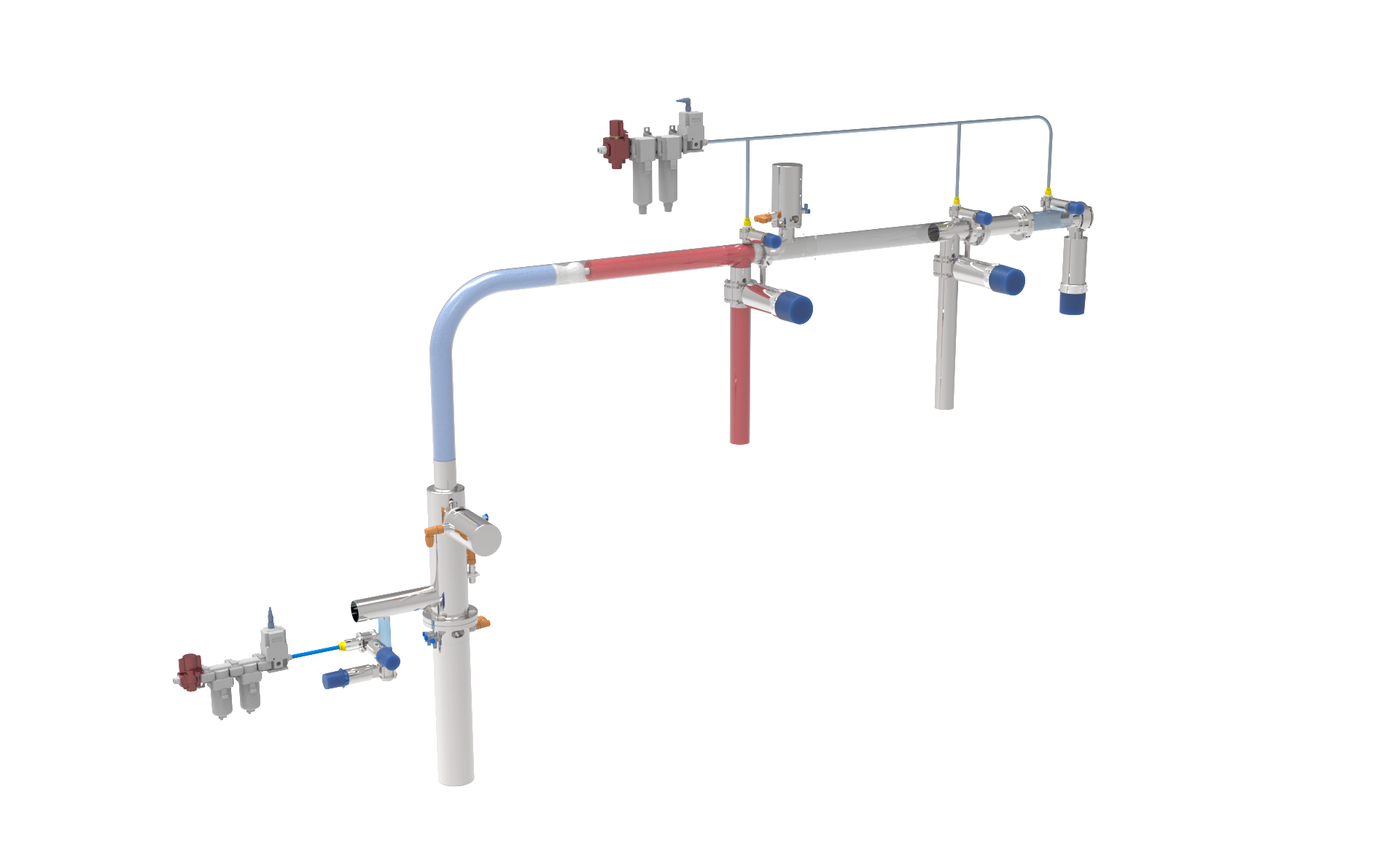
hygiene focused product recovery pigging systems in dairy pipelines?
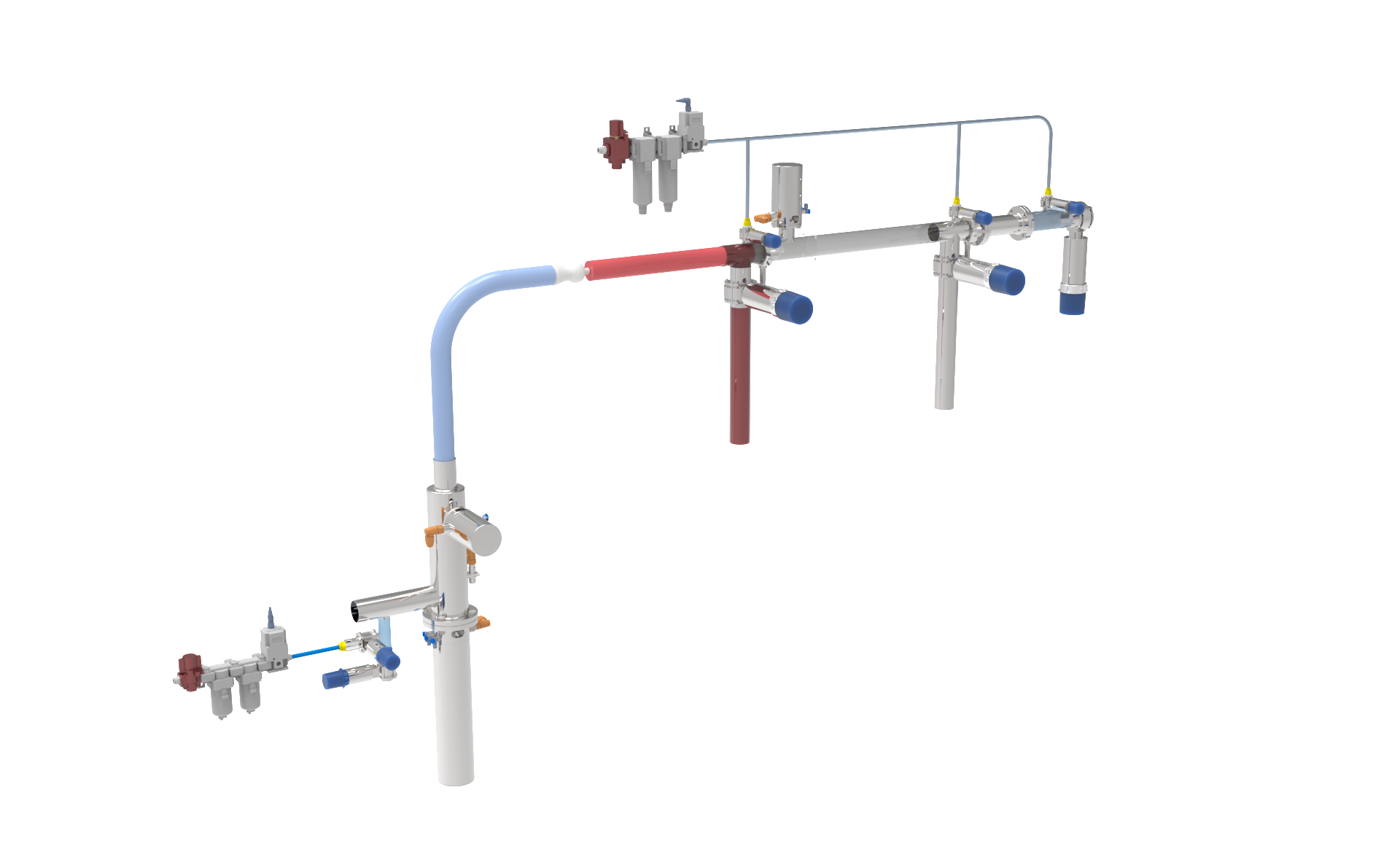
Initiating Progressive Fluid pigging systems pet food Transfer Technologies
Food-Grade Pigging Practices
Implementing sanitation-centric pigging workflows establishes superior sanitation as well as product safety. This methodology offer certified hygienic substances engineered to enduring strict sanitization processes throughout restricting unwanted organism presence.
- Advanced engineering implement automatic disinfection systems, amplifying process effectiveness.
- Following control measures is imperative for each safe pigging method used in foodstuff fabrication. Solutions are developed to satisfy strong criteria, confirming the highest safety levels.
Maximizing Flow Enhancement through Pigging Techniques
Pipeline system pigging devices provides a efficient solution for raising pipeline throughput. By using intelligent smart pig scheduling and strategic monitoring plans, field teams can reduce process halts, improve pipeline volumes, and confirm optimal pipeline integrity. Pigging locates potential faults such as stoppages or wear but also promotes efficient treatment and monitoring practices. This forward-looking conduit administration materially minimizes running costs and aids the entire strength of transit structures.
Pipeline Cleaning Systems in Pet Food Production
Pigging tools for pet food have become indispensable components within the animal nutrition production industry. These systems support the safe and efficient movement of elements through lines, mitigating quality compromises. By firmly differentiating different ingredients or production lots, pigging systems assist ensure the highest levels of excellence and security in pet food production.
Furthermore, pigging systems provide a variety of benefits, such as reduced downtime for sanitation and repair, improved workflow productivity, and low material waste. The use of pigging systems ultimately contributes to the production of trusted, salutary, and stable pet food.
Designing Hygienic Pigging Systems in the Pet Food Industry
During the manufacturing of pet food, guaranteeing reliable sanitation is fundamental. Pigging systems are central in guaranteeing product excellence and protection by efficiently purifying pipelines between crafting stages. A well-designed pigging system utilizes features that minimize impurity risks, advance reliable sterilization methods, and avoid quality compromises between batches.
- Installing sleek layers lessens the potential for microbial colonization.
- Ingredients that are sterilizable and rust-proof are fundamental for ensuring hygiene.
- Proper valving mitigates the regurgitation of contaminants during maintenance and ingredient conveyance.
Optimized pigging constructs also boost operational efficiency by curtailing downtime for cleaning. By properly eliminating residues and hindering cross-contamination, these systems add to a more trustworthy production process, ultimately leading to the formulation of safe and excellent pet food.
Pipeline Cleaning and Inspection
Ensuring the solidity of fluid lines is important for secure and high-performance circulation of fluids. Pigging systems grant a economical technique to upholding pipelines. A pig, also referred to as a pipeline mechanism, serves as a automated device propelled through the pipeline to deliver various tasks. Cleaning pigs cleanse buildup and contaminants, while inspection pigs are loaded with sensors to detect deficiencies in the pipe walls. Regular pigging helps lessen pipeline interruption, guaranteeing safe and reliable functioning.
- Diverse types of pigs behave, each tailored for specific uses.
- Pigging operations are productive and can be administered efficiently.
- Adopting a pigging program can increase the endurance of pipelines and diminish maintenance costs.
Advanced Pigging Technologies for the Pet Food Industry
Pigging appears as a key technology in the pet food industry, supporting efficient and sanitary production.
Modern pigging technologies utilize sophisticated tools to successfully disinfect pipelines. This curtails the risk of pipeline pollution between different pet food mixtures, thereby raising product safety and quality.
Besides, advanced pigging tools offer a range of benefits such as: * Increased efficiency in pipeline cleaning and maintenance * Lowered operational interruptions and halts * Superior cleanliness quality * Curtailed application of dangerous compounds
The integration of these technologies emphasizes the pet food industry's commitment to maintaining safe and top-tier manufacturing for animal lovers.
Obstacles and Remedies in Pigging Systems for Pet Food Production
Pipeline pigging technologies are indispensable in the pet food production process, ensuring efficient shipment of elements and finished products. However, these systems endure multiple challenges. One frequent challenge is blockages caused by mass buildup. Controlling this concern involves utilizing pigging plans such as modifiable appliances and refining ingredient structures.
Another concern is the threat of contamination. To minimize this, strict cleansing protocols have to be maintained throughout the pigging system. This embraces regular purification of pigging machinery and implementation of efficient cleaning chemicals. Regular assessments are also essential to detect potential faults early on. By applying these solutions, pet food manufacturers can ensure the efficiency and trustworthiness of their pigging systems.
Gains from Pigging Technologies in Pet Food
Pigging systems offer a variety of virtues for pet food manufacturers seeking to raise their production processes. These systems use force-led pressure aimed at propel specific pig, a cleaning device, through the pipeline, successfully removing product residue and contaminants. Ultimately, pigging systems support to elevated hygiene standards, cutting down the risk of cross-contamination and securing a safer final product for animals.
- Besides, pigging systems can elevate production efficiency by curtailing downtime for cleaning and maintenance.
- Furthermore, they support to reduce waste by inhibiting product loss during pipeline cleaning.
- In conclusion, pigging systems can be adapted to fit the specific requirements of different pet food production lines.
Pet Food Production Case Studies: The Power of Pigging
Animal feed business is becoming more reliant on efficient and sanitary methods for keeping optimal product quality. Pigging systems have developed into a prominent solution to meet these demands, offering a proven method for cleaning and verifying pipelines within pet food plants.
Countless case studies validate the effectiveness of implementing pigging systems in various sections of pet food production.
- Firms like [Company A], [Company B], and [Company C] have noted significant improvements in sanitation, product safety, and overall operational output following the adoption of pigging systems.
- Gains such as reduced downtime for cleaning, shrunk cross-contamination risks, and improved traceability of product flow have been verified in these case studies.
Besides, pigging systems contribute to green reduction by boosting resource utilization and minimizing waste generation.
Choosing the Right Pigging System for Your Pet Food Pipeline
Concerning preserving the purity standards of your pet food line, a sturdy pigging system is paramount. Pigging systems optimize efficiency by clearing product residue and reducing cross-contamination between batches. Selecting the correct system depends on a variety of criteria, including your manufacturing volume, input characteristics, and deployed infrastructure.
- Weigh the diameter of your pipelines to ensure a compatible pig design.
- Examine the thickness of your pet food products to choose the optimal pig material and rate of operation.
- Focus on systems that include features like remote launching and retrieval for optimized security.