How does Epoxidized Soybean Oil (ESBO) impact the long-term color stability of PVC goods?
Commencing our inquiry,
Heightened environmental sensitivity has initiated the hunt for adaptable surrogates to customary additives incorporated in resins. Transformed crop extract comes forth as a attractive bio-based additive designed of boosting the elasticity and workability of different molecular items. Sourced from a regenerative resource, this material decreases requirement on non-renewable fuels and supports to a improved green model.
Mild Aromatic Green Plasticizer: Elevating Merchandise Capability & Client Feel
Manufacturers are now focused on end-user impression and endeavoring approaches to reduce unpleasant miasmas arising from merchandise. Employing low-odor ESBO solution provides a significant perk, facilitating for amplified product operation while coincidentally producing a favorable pleasurable user perception. This leads to greater customer consent and potential for increased proceeds. Conclusively, low-odor ESBO represents an important step towards creating premium products that appeal to modern customers.
Medical Grade ESBO: Safety and Versatility in Healthcare Applications
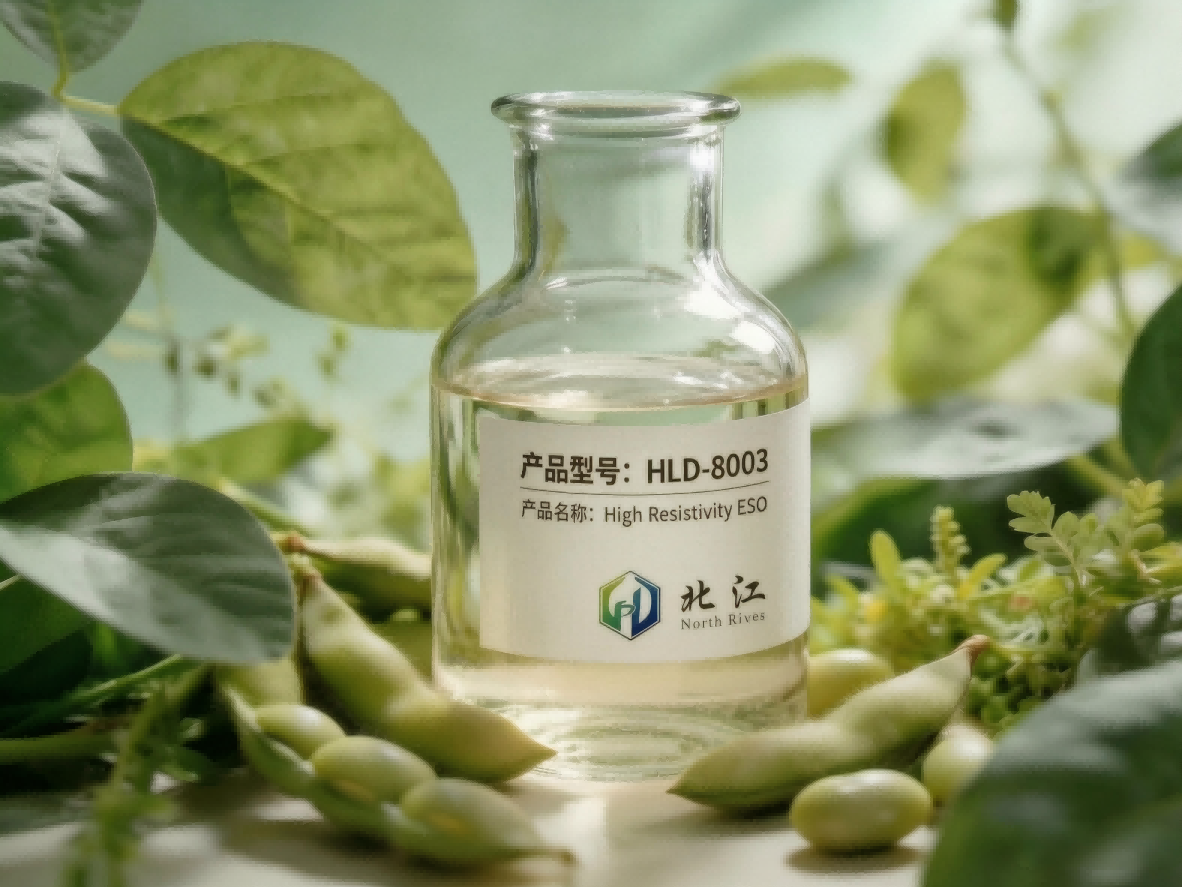
Health-related grade Probe Biological Provides exceptional safety and elasticity across a vast array of treatment functions. The apparatuses are conscientiously fabricated to follow High Resistivity ESBO stringent statutory standards, securing precise effectiveness and lessening the hazard of dangerous reactions. Spanning subject examination to innovative testing techniques, such devices exemplify a major advance in up-to-date care care.High Resistivity ESBO: Improving Electrical Properties in Polymers
A original procedure to improving the charge transport specifications related to polymeric compound items includes using ESBO (Extended Structural Boundary Objects). These operation formula emphasizes in regard to producing high electric resistance regions among designated matrix matrix. Through meticulously directing specific spread-out of these objects, users might skillfully materially augment designated overall mass evident insulation, contributing possibilities among realms sites divisions consisting of rigorous customized explicit semiconductor tools assemblies.}Eco-Friendly Plasticizer: The Rise of ESBO in Sustainable Plastics
The heightening demand for sustainable plastics has triggered significant expansion in plasticizer strategies. Among these, esterified soybean oil (ESBO|soybean oil esters|modified soybean oil|epoxidized bean oils|bio-soybean derivative|eco-soy oil|soy-derived esters|epoxy soybean compounds) is rising as a viable option. Previously, plasticizers like phthalates have faced scrutiny due to their potential safety impact; nevertheless, ESBO offers a organic and healthier option. Its creation utilizes abundant soybean oil, lowering reliance on petroleum-based goods and fostering to a more resource-efficient model.
ESBO Benefits: Versatility, Resilience, and Alleviated Toxins
ESBO systems offer a significant improvement to construction projects thanks to their remarkable combination of peculiarities. The innate flexibility allows for straightforward design modifications and premises adaptability. Furthermore, their resilient construction guarantees enduring performance and resistance to corrosion. Perhaps most importantly, ESBO’s exclusive formulation results in significantly reduced VOC emissions, creating a nontoxic setting for installers and lodgers alike.
Understanding Epoxidized Soybean Oil: Properties and Applications
Surface-Modified plant lubricant is a universally applied enhancer and carrier in various fields. Their one-of-a-kind properties, resulting from the addition of highly reactive moieties, facilitate them to strengthen the pliability furthermore handling of vinyl chloride materials. Usual applications consist of deformable films, strand sheathing, furthermore adhesive compositions, during which this works as a plasticizing element together with supplies augmented temperature-tolerance endurance.Electing the Right ESBO: Grades and Their Distinct Purposes
Selecting the ideal ESBO category is key for obtaining your expected yields. Lower grades, such as Level 1, are traditionally formulated for basic jobs and novice introduction. Intermediate grades, like Level 2 or 3, extend a alloy of refinement and productivity, compatible for increased intricate duties. Finally, top grades – Class 4 and greater than – are targeted for elaborate scenarios requiring a considerable amount of know-how and modernization. Attentively reflect on your specific needs before choosing a level.
One Future concerning ESBO: Developments inside Green Compounds
Such future feels hopeful, largely ascribable to swift breakthrough within bio-based plasticizers. Investigators labor to formulate innovative plasticizers extracted from plant-based resources, including algae, agricultural oils, and byproducts. These novel materials furnish the promise to overcome established phthalates, confronting environmental problems and encouraging a greater circular infrastructure. Complementary examinations regarding expense reduction are likely to be indispensable for large-scale usage.
Ending this discussion.