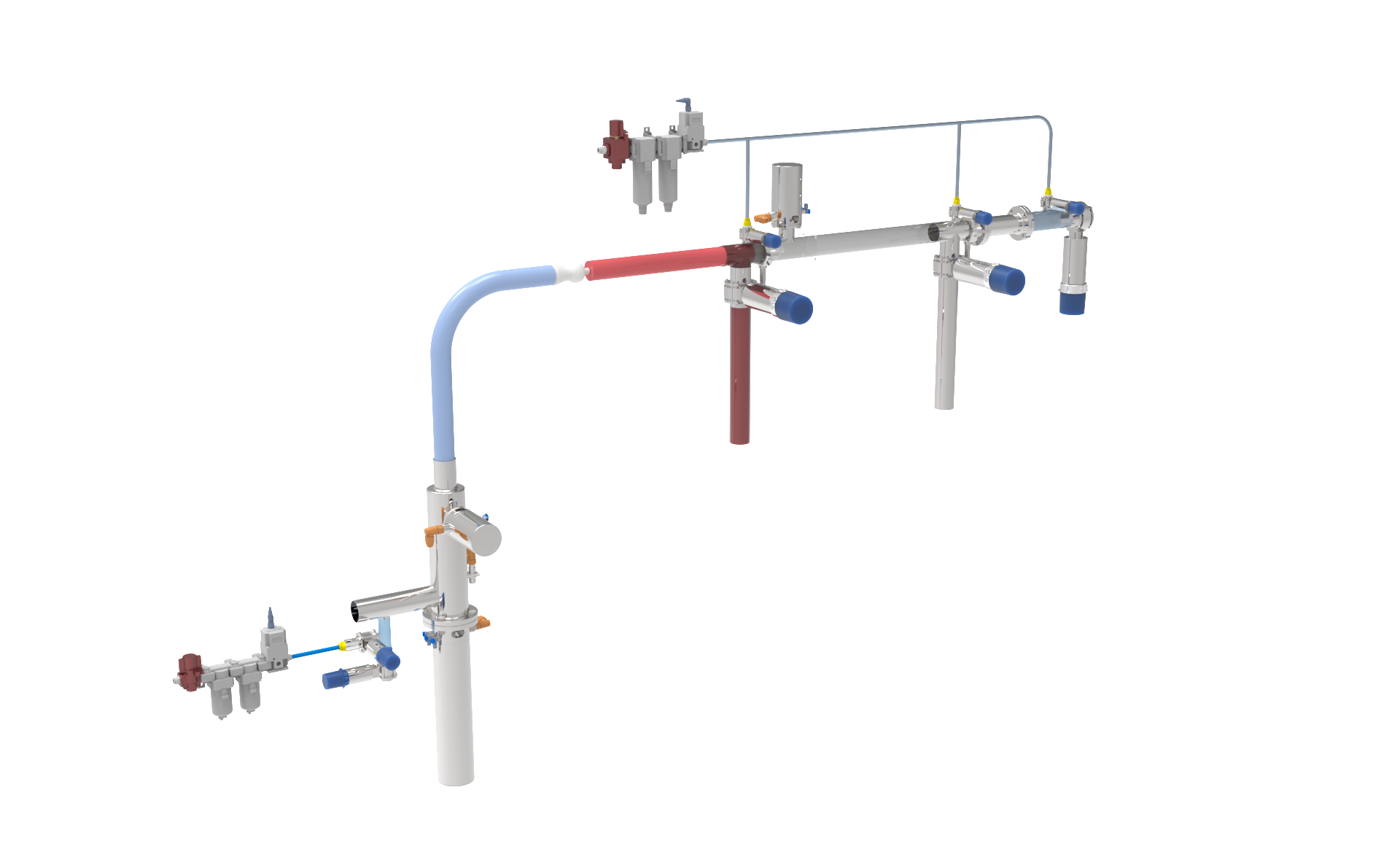
high impact contamination limiting sanitary pigging in purees?
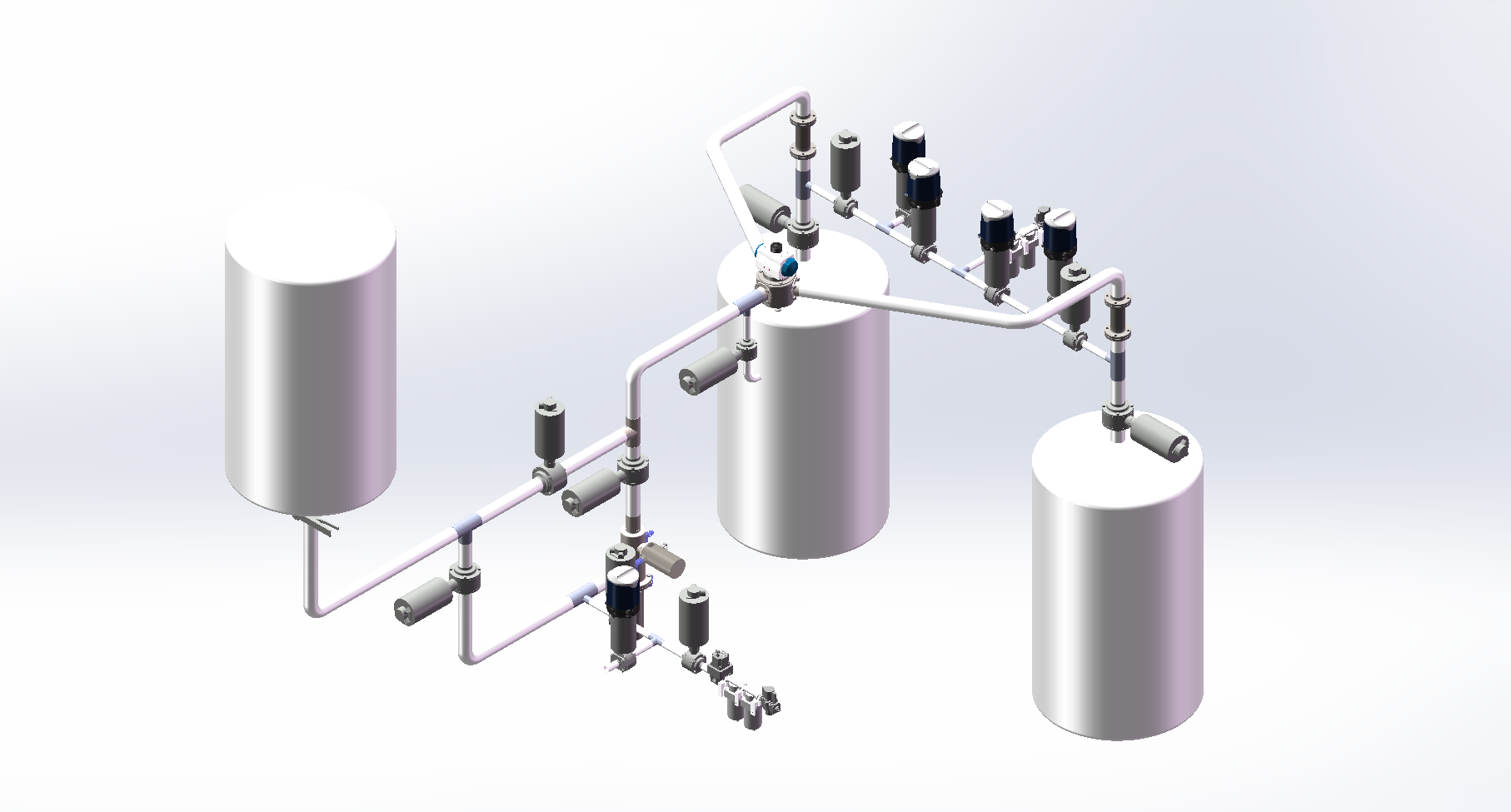
Embarking Cutting-Edge Inspection pigging systems Tools
Hygienic Pigging Techniques in Food Production
Applying sanitation-centric pigging workflows maintains best purity together with food contamination prevention. These solutions incorporate food-contact compliant construction designed for withstanding rigorous purification operations throughout restricting unwanted organism presence.
- Advanced engineering incorporate smart hygiene functions, increasing system reliability.
- Adherence to industry protocols required for all food-grade cleaning procedure utilized in gourmet food handling. Technologies are developed to comply with stringent guidelines, supporting the ultimate product safety.
Advancing Fluid Transfer Improvements through Pigging
Cleaning and inspection pigging brings a strong procedure for enhancing fluid conveyance. Via harnessing intelligent inspection tool usage and strategic assessment cycles, field teams can reduce system breaks, maximize delivery capacities, and safeguard line robustness. Pigging finds potential issues such as barriers or rusting but also facilitates efficient upkeep and testing approaches. This forward-looking conduit administration significantly reduces running costs and fosters the entire stability of the network.
Safety Enhancement via Pigging in Pet Nutrition
Pigging systems have become required components within the canine and feline food manufacture industry. These systems enhance the safe and efficient shipment of ingredients through conduits, cutting down unintended blendings. By accurately segregating different components or processing series, pigging systems benefit sustain the highest levels of grade and well-being in pet food production.
As well, pigging systems equip a range of benefits, including reduced downtime for cleaning and repair, improved workflow productivity, and low ingredient spillage. The use of pigging systems conclusively adds to the production of harmless, healthy, and reliable pet food.
Critical Design Elements of Sanitary Pigging in Pet Food
Amid the creation of pet food, securing optimal purity is critical. Pigging systems are pivotal in ensuring product quality and safety by systematically scrubbing pipelines between operation stages. A well-designed pigging system includes elements that stay clear of infection possibilities, support thorough purification techniques, and stop mixing hazards between batches.
- Integrating even sheens diminishes the potential for pathogen presence.
- Substrates that are decontaminable and wear-resistant are essential for safeguarding hygiene.
- Reliable barriers eliminates the opposite transit of hazards during sterilizing and processing flow.
Efficient pigging configurations also improve pipeline output by cutting down downtime for purification. By properly removing residues and hindering cross-contamination, these systems add to a more trustworthy production process, eventually leading to the development of secure and first-rate pet food.
Pigging Systems for Pipelines
Safeguarding the soundness of tubes is crucial for protected and well-functioning flow of inputs. Pigging systems supply a value-driven solution to sanitizing pipelines. A pig, also identified as a pipeline device, acts as a mechanized device driven through the pipeline to accomplish various functions. Cleaning pigs remove buildup and contaminants, while inspection pigs are armed with sensors to detect deficiencies in the pipe walls. Regular pigging helps lessen pipeline interruption, promoting safe and reliable activity.
- Many types of pigs are available, each customized for specific needs.
- Pigging operations are competent and can be carried out with minimal disruption.
- Applying a pigging program can enhance the functional period of pipelines and minimize maintenance costs.
Next-Generation Pigging Equipment for Pet Food
Pigging is viewed as a crucial process in the pet food industry, maintaining efficient and sanitary production.
Innovative pigging technologies exploit sophisticated technology to accurately clean pipelines. This minimizes the risk of ingredient adulteration between different pet food compositions, thereby upgrading product safety and quality.
In addition, advanced pigging apparatuses offer a range of benefits such as: * Refined cleaning and upkeep approaches * Reduction in downtime and production disruptions * Superior cleanliness quality * Curtailed application of dangerous compounds
The integration of these technologies shows the pet food industry's commitment to providing trustworthy and excellent supply for clients.
Difficulties and Fixes in Pigging Systems for Pet Food Production
Cleaning pig setups are essential in the pet food production process, maintaining efficient movement of ingredients and finished products. However, these systems grapple with wide-ranging challenges. One usual concern is blockages caused by ingredient agglomeration. Mitigating this downside involves executing pigging approaches such as versatile pig launchers and modifying ingredient blends.
Another difficulty is the risk of contamination. Diminish this, strict disinfection protocols are required to be implemented throughout the pigging system. This incorporates regular sterilization of pigging devices and execution of functional cleaning solutions. Regular assessments are also essential to pinpoint potential complications early on. By executing these solutions, pet food manufacturers can guarantee the efficiency and soundness of their pigging systems.
Positive Impacts of Pigging Methods on Pet Food
Cleaning pig devices offer a variety of strengths for pet food manufacturers focused on enhance their production processes. These systems harness hydraulic pressure meant to propel the pig, a cleaning device, through the pipeline, reliably removing product residue and contaminants. Hence, pigging systems enable to better hygiene standards, diminishing the risk of cross-contamination and delivering a safer final product for end-users.
- Also, pigging systems can enhance production efficiency by lessening downtime for cleaning and maintenance.
- What's more, they assist to diminish waste by avoiding product loss during pipeline cleaning.
- Conclusively, pigging systems can be tailored to fit the specific requirements of different pet food production lines.
Illustrative Examples of Pigging Efficiencies in Pet Food
Animal nutrition sector is growing toward efficient and sanitary processes for securing optimal product quality. Pigging systems have turned into a popular solution to meet these demands, offering a dependable method for cleaning and evaluating pipelines within pet food plants.
Many case studies illustrate the potency of implementing pigging systems in various stages of pet food production.
- Brands like [Company A], [Company B], and [Company C] have declared significant improvements in sanitation, product trustworthiness, and overall operational productivity following the adoption of pigging systems.
- Results such as reduced downtime for cleaning, diminished cross-contamination risks, and improved traceability of product flow have been observed in these case studies.
In addition, pigging systems contribute to carbon footprint reduction by advancing resource utilization and minimizing waste generation.
Selecting the Right Pigging System for Your Pet Food Pipeline
Pertaining to upholding the standard standards of your pet food facility, a reliable pigging system is vital. Pigging systems improve efficiency by extracting product residue and controlling cross-contamination between batches. Selecting the relevant system depends on a variety of requirements, including your output, ingredient characteristics, and present infrastructure.
- Review the thickness of your tubes to ensure a correct pig design.
- Inspect the cohesion of your pet food products to establish the perfect pig material and timing of operation.
- Prioritize systems that offer features like automatic launching and retrieval for improved protection.