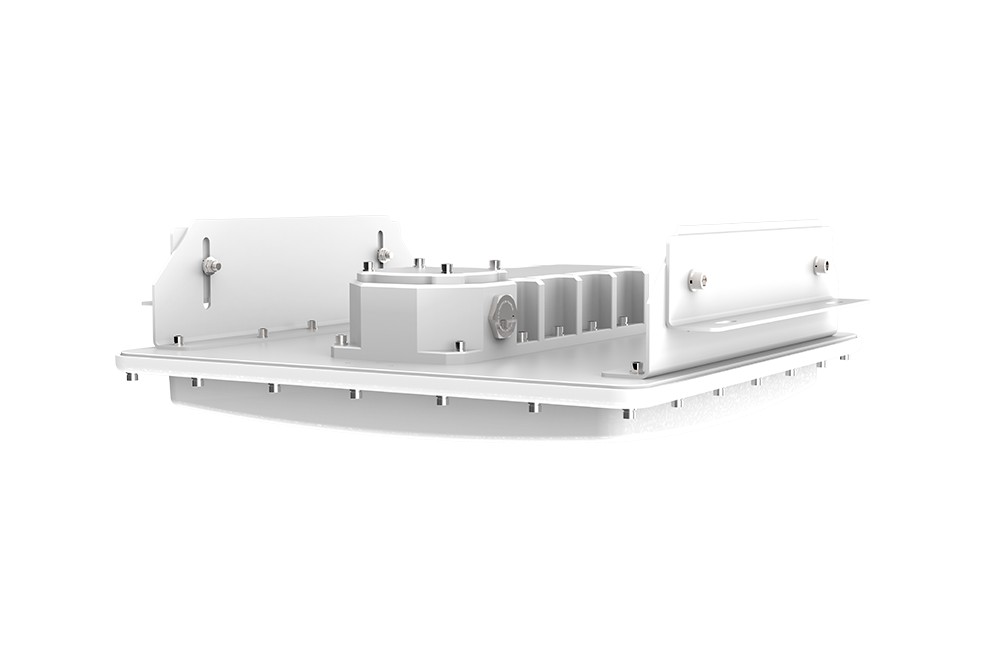
energy optimized sawmill explosion safe lighting?
e
Working within conditions holding combustible substances demands definite earnest procedure regarding ignition safety. Explosion proof light sources operate as expressly manufactured to inhibit incineration within these treacherous localities, typically tagged namely Class I, II, or III sections. Similar bulbs do not appear simply "hardy" – such operate employing the principle pertaining to containment: should distinct glint actually transpire throughout the body, it actually is restricted and cannot possibly disseminate towards the environing environment. Electing the suitable style of intrinsically safe light systems stands as necessary and takes into account factors like the fumes present, its intensity, and the temperature range of the machinery. Regularly seek with a competent specialist to ascertain compliance with local laws and to retain a safe area. Default to do so can cause severe consequences.
Grasping Explosion Fire-Resistant Illumination Specifications
Confirming worker security and preventing catastrophic failures in hazardous locales demands meticulous attention to explosion safe lighting devices regulations. The cited protocols typically stem from organizations like the National Electrical Guideline (NEC) and globally recognized licensing bodies, ensuring equipment can withstand potential ignition sources such as combustible gases, vapors, or dust. Proper determination involves considering the unique Class and Division designation of the site, which dictates the level of shielding needed – from intrinsically defensible designs to enclosures capable of containing an internal blast. Observance with these recommendations isn't merely a guidance; it’s a legal and ethical obligation vital for protecting lives and property.
Hazardous Location Lamps: A In-Depth Study
Preserving defense in conceivably precarious environments is essential, and blast-resistant devices play any important involvement in supporting this objective. Such purposefully constructed fixtures are created to tolerate volatile surroundings, thwarting lighting of fumes and solutions. Appreciating the foundations of spark proof validation, numerous varieties of devices, and correct implementation is completely necessary for compliance and dedicated to retaining a healthy manufacturing domain. Such guide will examine into these facets, granting beneficial understanding for technicians and facility controllers.
Electroluminescent Device Flame Retardant Lamps: Performance
For locales where inflammable liquids or dusts are situated, classic fixtures can pose a important threat. Fortunately, Electroluminescent explosion-proof luminaires bring a potent measure that blends superior economy with fundamental protection. These particular up-to-date solutions engage markedly less power than former techniques, resulting in cut expenses and a downsized effect. Furthermore, the reinforced formation of these fixtures promises consistent working even in the toughest factory conditions, decreasing the possibility of flash.
Picking the Right Sparkproof Fixtures for Unsafe Locations
Protecting secure function within unsafe locations demands painstaking consideration when deciding on lighting options. Over and above simply acquiring a device, it's indispensable to comprehend the distinct categorization of the zone – whether it's Level I, II, or III, and zones 1 or 2. The suitable lighting model – usually sparkproof – must be licensed by a recognized inspection agency such as NEC to authenticate it is able to endure the foreseeable for kindling. Additionally, aspects like ambient thermal environment , electricity requirements, and illumination levels should be closely appraised to yield superior performance and maintain conformity with all pertinent precaution rules. Dismissing these aspects could lead to critical results.
Examination of Profits of Spark Resistant Methods in Industrial Environments
Preserving a protected and dependable operational environment is paramount in production settings, particularly those dealing with inflammable materials. Shockproof lighting isn't simply a compliance issue; it's a crucial investment in employee well-being and asset maintenance. The particular tailored fixtures are meticulously fabricated to contain an domestic explosion, preventing kindling of surrounding aerosols. Beyond this primary objective, they commonly offer improved hardiness in harsh settings, reducing servicing frequency and downtime. Furthermore, the adoption of latest intrinsically safe lighting solutions, such as solid-state technology, can yield significant reduced expenses and a more eco-friendly operation, while concurrently enhancing workplace visibility and overall capacity.
Confirming Your Shockproof Lights: Advanced Procedures
Frequent upkeep is absolutely for protecting the dependability of your blast resistant lighting installations. Begin with a meticulous visual evaluation for any markers of visible damage, such as cracks or disintegration. Frequently clean the diffusers to remove dust and impurities, which can impede light brightness. Furthermore, ensure whole links are secure and lacking of flaws. Arrange a planned checkup program, observing the originator's protocols and required compliance norms. Lastly, record precise records of all overhaul tasks for review objectives.
What consists of Flame-retardant Illumination Devices and Procedures it Serve?
Intrinsically-safe illumination systems are specially constructed tools intended to stop burning in risky districts, like petrochemical stations or agricultural crumbs management locations. Essentially, instead of blocking glints from taking place, these lights trap any potential glimmer within a contained case. This mechanism typically involves applying hardy shells, often built of molded bronze, that are fastened and crammed with a inert agent, like earth, to extinguish any inside strength emission from an flash. The construction ensures that any inside blast doesn’t escape to the external realm, thus mitigating a larger disaster.
Evaluating Explosion Proof Light Types: ATEX, IECEx, UL
Opting for the appropriate "compatible" explosion-proof "fixtures" for hazardous "regions" can be complicated, particularly when pondering differing certification "provisions". ATEX, IECEx, and UL are three primary" certifications, each with its own "strategy" and scope". ATEX, primarily used within the continental" Union, emphasizes product design and examination" to ensure safety in potentially ignitable" atmospheres. IECEx, an international certification, offers a comprehensively" recognized benchmark" and often enables" reciprocal recognition, making easier" compliance across multiple "jurisdictions". Finally, UL (Underwriters Laboratories) habitually" focuses on North American "mandates" and provides a well-established" certification system known for its detailed" testing "methods". While overlaps appear, the distinct" testing "techniques" and recording" differ, making a careful "investigation" crucial for ensuring full formal" compliance and a safe" working "environment".
Light-Emitting Diode vs. Legacy Intrinsically Safe Lamps: Which is Preferred?
Electing between Semiconductor Light and old-school fire resistant led explosion proof light {lights|fixtures|luminaires|lamps|lighting systems|illum