Does emphasizing ritual around a Chinese Teapot help justify premium pricing strategies?
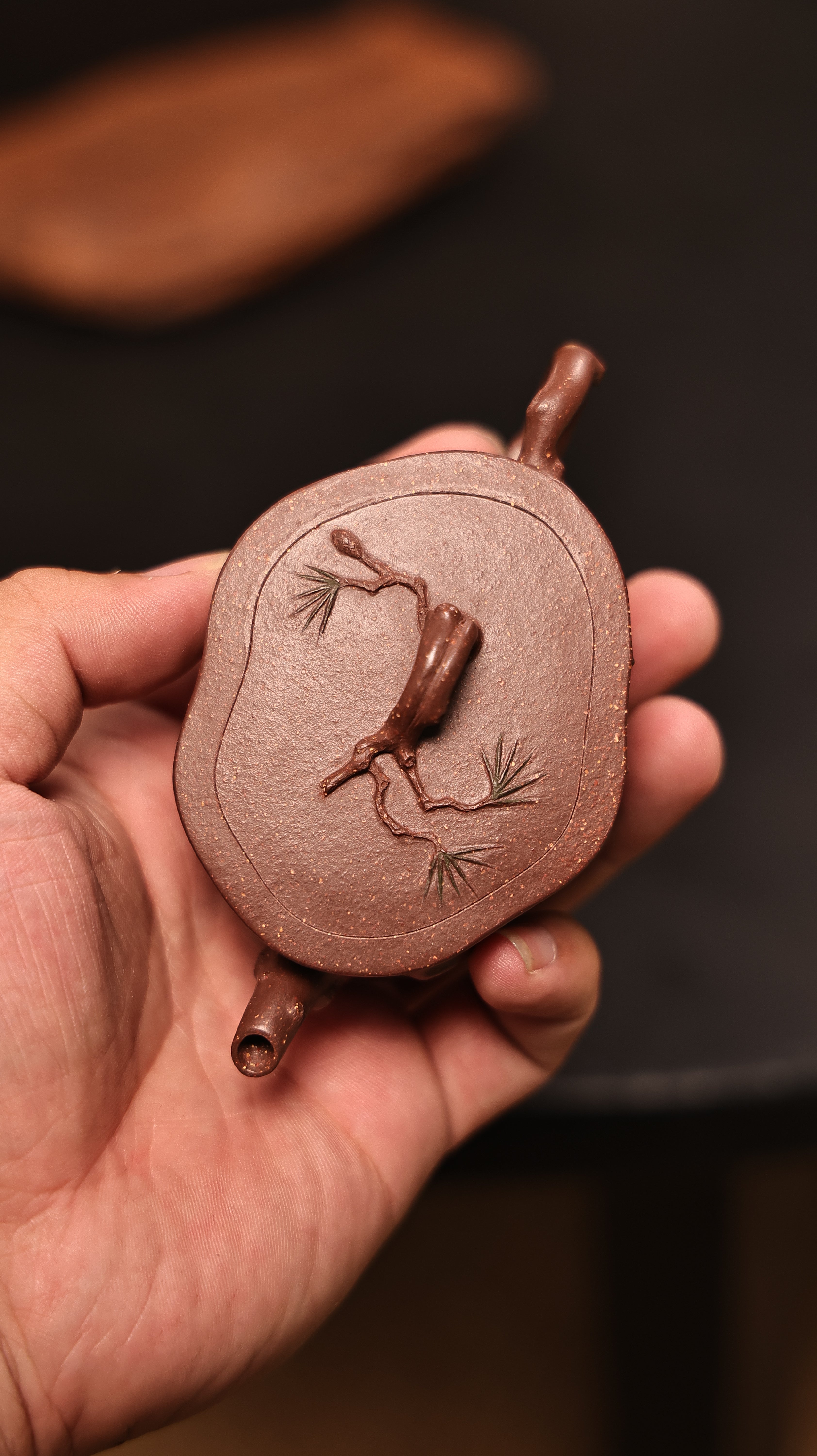
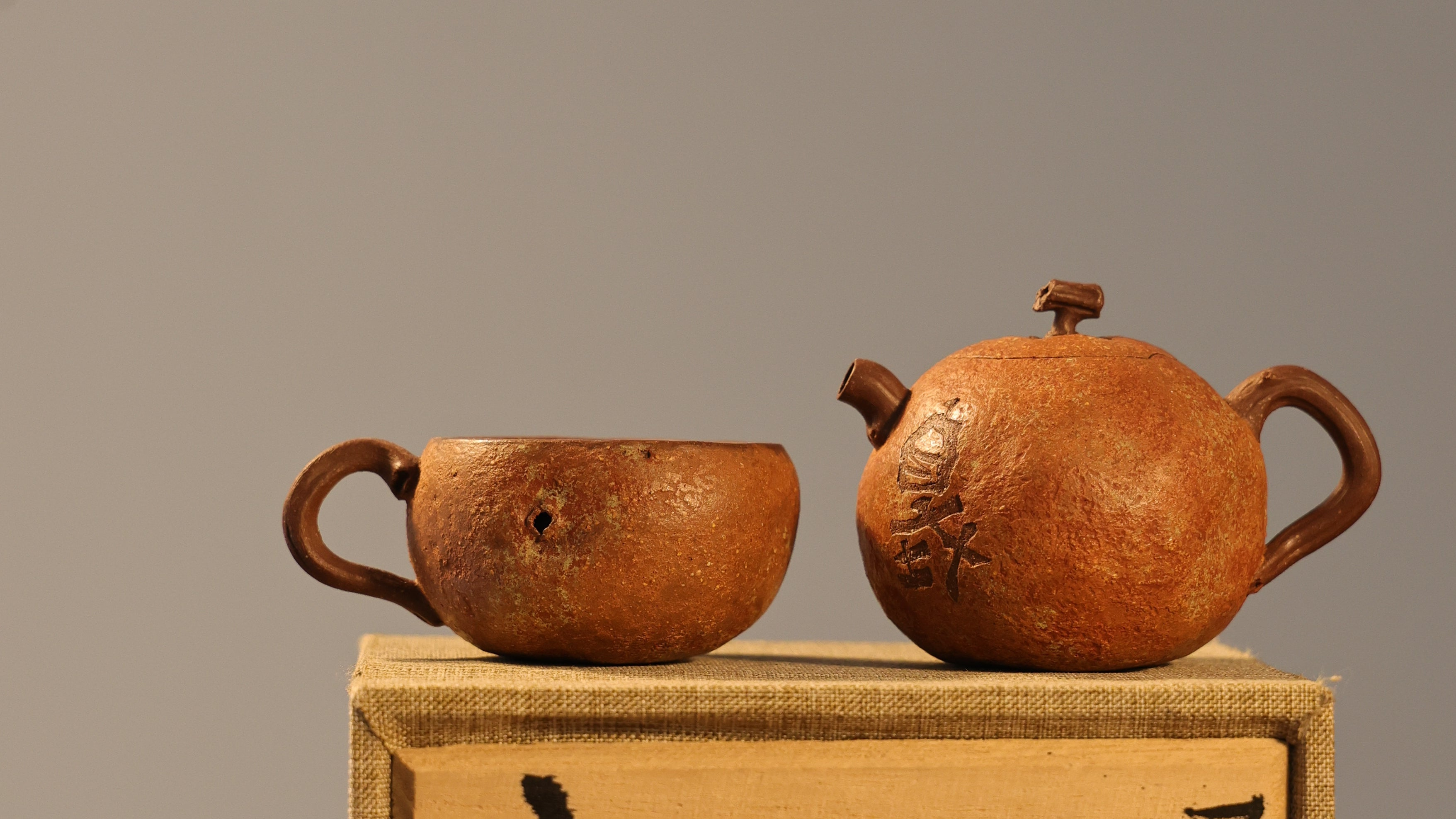
Times in aficionados have long favored the special appeal of Yixing Zisha pots. Rooted in the picturesque town of Yixing, the nation, these amphorae are fabricated from a singular and dug purple clay recognized for its remarkable thermal qualities and ability to amplify the savor of beverages. Aside from their functional appeal, Zisha teapots exemplify a extensive artistic pedigree, resulting them exceptionally cherished and a veritable marvel for any ardent teapot fan.
Understanding Yixing Kettles
Traditional teapots exhibit a remarkable unification of history and traditional craftsmanship. Originating in Yixing, Jiangsu Locale of China, their narrative stretches the Ming Dynasty, although evidence suggest earlier instances. The special burgundy clay, called Zisha, found specifically in the Yixing region, is the key component, contributing to the pots' notable heat preservation and the manner they control the profile of tea. Successive eras of potters have improved techniques—often inherited through families—including sculpting the clay, applying elaborate embellishments, and firing the pots at deliberate temperatures.- Originally, Yixing teapots were often trimmed with simple designs.
- Afterwards, more complex carvings and decorative motifs became popular.
- The oven firing itself is a pivotal element, requiring extended spans of knowledge.
Acquiring Zisha Teapots: Vital Considerations
Initiating a campaign to acquire Zisha containers can be rewarding, but it’s vital to discern what to search for. Authenticity is essential; focus on the clay’s natural tint, a understated reddish-brown is traditional. Examine the quality; genuine Zisha has a characteristic tactile sensation, often depicted as slightly rough. The outline should be pleasing and consistent with historical styles, while inscriptions, if present, require painstaking examination for authenticity. Don’t hold back to consult with professional consultants or established contacts – their wisdom is essential.
Chinese Clay Pots: Examining the Practice of famous Ceramics
Ages have seen Yixing Zisha Clay teapots retain a distinguished role Purple Clay Teapot in Chinese custom. These artfully designed pots, sourced uniquely from the district of Yixing, are acclaimed for their characteristic complexion, composition, and their ability to improve the aroma of brews. Numerous collectors pursue antique Yixing teapots, regarding them deeply not only for their aesthetic attractiveness, but also for the background they reflect.
Yixing Zisha Teapots: Unique Foremost Forms and Their Traits
Zisha Ware teapots, established in the renowned district of Yixing, the country, are noted for their singular clay and superb brewing qualities. Among the countless Zisha types, notable classes that are highly admired include Huiwan. Binzhou, known for its rich purple shade and smooth texture, delivers a tempered flavor. Duan Ni category, recognizable by its auburn color and mildly grainy feel, is viewed to enhance a body. Lastly, Zhuni class boasts an unique ruby tone and can give a sweet nuance. Each category grants a unique experience, making them distinctly desirable with beverage enthusiasts.
Perfecting Individual Clay Teapot
To reveal the power of your Yixing kettle, familiarizing oneself with the correct system is key. These clay receptacles, celebrated for their filtering ability, will progressively accept the core of the tea you steep within them. Begin by purifying the pot thoroughly with hot water. Then, use only fine whole leaf tea, as lower quality options can impair the container’s delicate flavor profile. Always enable the leaves to open completely, and remember that with each preparation, your Yixing vessel will become continuously cherished.
Securing Your Priceless Zisha Keepsake
Proper handling for your Zisha jar is necessary to conserving its appearance and appreciation. Zisha clay, hailed for its unique tinge and feel, requires precise handling. Never use harsh solutions, as these can harm the coating. After every action, rinse the vessel with gentle warm water and allow it to air out completely.
- Shun soaking the jar for extended durations.
- Sporadically use a soft towel to dust the exterior.
- Weigh applying a thin layer of food-grade oil inside the pitcher after drying, which can diminish staining.
Overview of Yixing Pots
Yixing clay pots, originating from the Yixing district in Jiangsu Province, China, are celebrated for their distinctive attributes. Created from the unique purple substance known as Zisha, these pots are prized by drink enthusiasts worldwide. This handbook will neatly explain the basics – covering varieties of Zisha material, well-liked shapes, and fundamental care tips. Understanding the background of Yixing containers can strengthen your appreciation for this revered example of Mandarin culture.
Art of Zhongguo Earthenware: Emphasizing Zisha produced in the Yixing territory
Zisha soil from this city of Yixing represents the height of Yuan vessel design, showing a exceptional concoction of natural beauty and functional artistry. These extraordinary pieces are recognized for their dynamic pigments, often stretching over dark purples and mahogany hues to gentle greys and faint beiges. The noted mineral composition of the exclusive-to-the-area Zisha substrate imparts a unique texture and furnishes a pleasant aroma that heightens the whole drink experience, transforming them greatly prized collectibles and vital components of any serious brew.