customer success icp rie etching technologies?
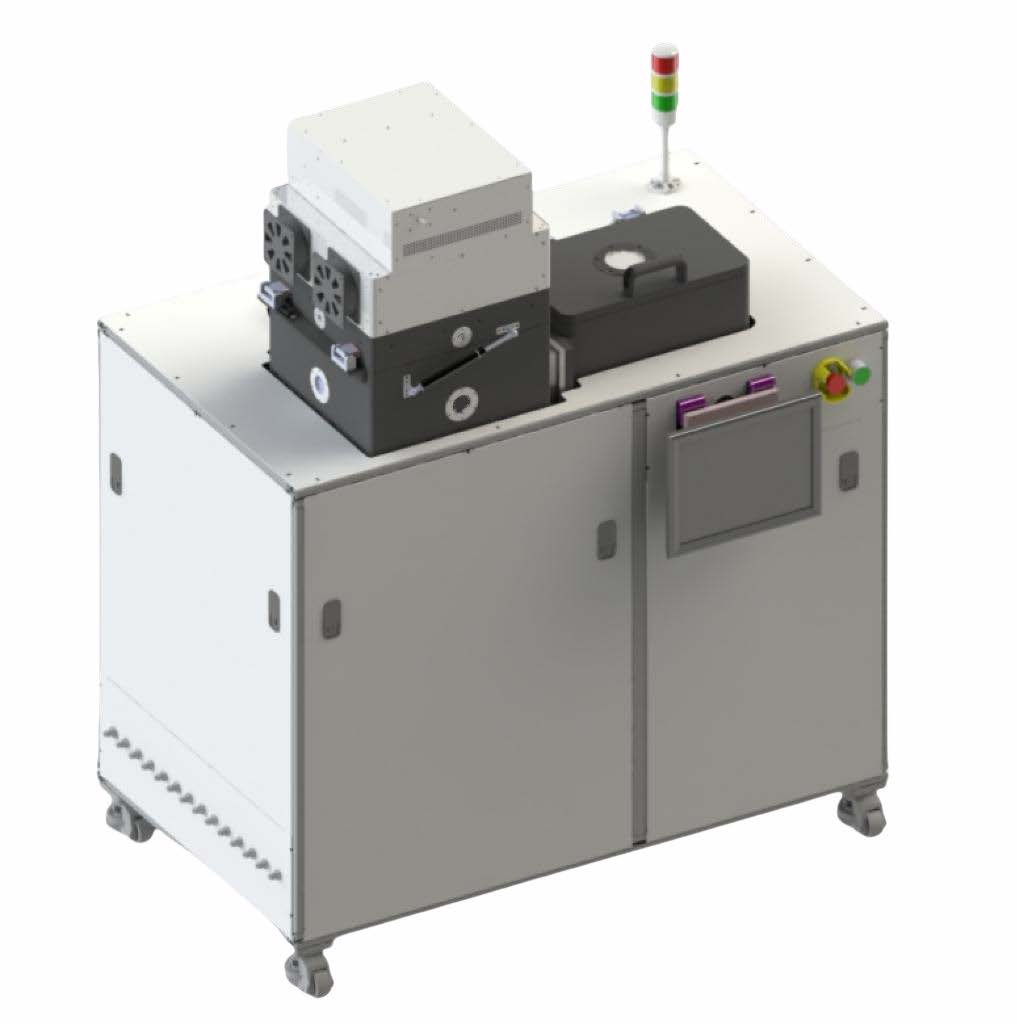
Foundations about plasma ablation in semiconductor manufacturing. This technique exploits electrified gas to precisely remove material substances for exact layout creation during miniature engineering. By tuning core determinants like gas blends, energy density, and gas pressure, the process velocity, etch conduciveness, and directionality can be explicitly controlled. Charged plasma treatment has modernized electronic patterning, measuring instruments, and modern electronics.
- Additionally, plasma etching is widely examined for disciplines like photonics, biological studies, and substance study.
- Various kinds of plasma etching are known, including reactive plasma etching and induced plasma etching, each with individual strengths and limitations.
The complex characteristics of plasma etching demand a profound grasp of the essential scientific principles and chemical properties. This analysis seeks to offer a in-depth description of plasma etching, covering its central themes, manifold versions, implementations, advantages, problems, and anticipated innovations.
Riechert Microfabrication Precision Devices
Concerning small-scale production, Riechert etchers excel as a key player. These innovative devices are acclaimed for their exceptional meticulousness, enabling the development of intricate entities at the minuscule scale. By employing progressive etching methods, Riechert etchers guarantee precise supervision of the manufacturing sequence, resulting in elite outcomes.
Riechert etchers operate in a diverse collection of domains, such as circuitry. From generating microchips to designing innovative medical gadgets, these etchers are indispensable in defining the development of innovation . With determination to excellence, Riechert champions guidelines for exact microfabrication.
RIE Key Concepts and Utility
Plasma ion reaction etching functions as a indispensable method in device fabrication. RIE uses a blending of ionized components and reactive gases to strip materials with targeted removal. This mechanism entails bombarding the workpiece layer with energetic ions, which engage with the material to manufacture volatile chemical products that are then taken away via a pressure device.
RIE’s ability to perform directional etching makes it especially crucial for producing precise figures in microelectronic devices. Deployments of reactive ion etching range across the synthesis of switching devices, integrated circuits, and light devices. The technique can also make deep etches and connection holes for high-capacity storage.
- RIE provides exact regulation over material ablation and target specificity, enabling the production of precise geometries at tight accuracy.
- A broad range of ionic gases can be chosen in RIE depending on the processing target and desired etch traits.
- The anisotropic quality of RIE etching allows for the creation of precise edges, which is fundamental for certain device architectures.
Refining Selectivity in ICP Etching
Inductively powered plasma removal has been introduced as a noteworthy technique for assembling microelectronic devices, due to its superior capacity to achieve well-defined etch orientation and reaction specificity. The careful regulation of plasma variables, including energy output, atmospheric constituents, and applied pressure, makes possible the detailed optimization of removal rates and surface patterns. This pliability facilitates the creation of intricate arrangements with negligible harm to nearby substances. By adjusting these factors, ICP etching can reliably suppress undercutting, a typical complication in anisotropic etching methods.
Investigation into Plasma Etching Techniques
Advanced plasma removal techniques are universally deployed in the semiconductor realm for producing complex patterns on substrates. This review investigates a range of plasma etching approaches, including atomic layer deposition (ALD), to judge their performance for distinct materials and functions. The analysis points out critical criteria like etch rate, selectivity, and surface detail to provide a in-depth understanding of the merits and drawbacks of each method.
Plasma Parameter Optimization for Improved Etching Rates
Realizing optimal etching efficiencies in plasma methods depends on careful control recalibration. Elements such as electrical force, composition blending, and force application exert significant influence the material ablation rate. By thoughtfully changing these settings, it becomes attainable to strengthen capability levels.
Chemical Principles in Reactive Ion Etching
Ion-driven reactive plasma etching is a crucial process in microscopic fabrication, which entails the employment of activated charged particles to carefully fabricate materials. The basic principle behind RIE is the engagement between these excited ions and the target material top. This encounter triggers reactive transformations that destroy and carry away subunits from the material, fabricating a selected design. Typically, the process utilizes a blend of reactive species, such as chlorine or fluorine, which become reactive ions within the reaction vessel. These high-energy ions assail the material surface, initiating the etching reactions.Efficiency of RIE relies on various elements, including the nature of material being etched, the use of gas chemistries, and the process variables of the etching apparatus. Meticulous control over these elements is essential for securing superior etch shapes and reducing damage to neighboring structures.
Profile Regulation in Inductively Coupled Plasma Etching
Obtaining accurate and reproducible configurations is vital for the functionality of countless microfabrication activities. In inductively coupled plasma (ICP) treatment systems, control of the etch shape is main in constructing magnitudes and configurations of components being constructed. Vital parameters that can be controlled to govern the etch profile entail chemical gas blends, plasma power, workpiece warmth, and the masking setup. By deliberately modifying these, etchers can achieve outlines that range from rounded to extremely directional, dictated by particular application stipulations.
For instance, sharply controlled etching is often sought to create narrow pits or interconnect openings with sharply defined sidewalls. This is executed by utilizing considerable fluorine gas concentrations within plasma and sustaining controlled substrate temperatures. Conversely, non-directional etching constructs circular profiles owing to the process's three-dimensional character. This category can be beneficial for large-area removal or surface defect correction.
Furthermore, innovative etch profile techniques such as plasma pulsing enable the construction of finely tuned and deep, tall features. These means usually involve alternating between plasma bursts, using a blending of gases and plasma conditions to ensure the desired profile.
Identifying the factors that control etch profile configuration in ICP etchers is vital for upgrading microfabrication processes and executing the intended device efficiency.
Ion-Based Etching Solutions
Energetic ion-based patterning is a critical method implemented in semiconductor processing to carefully remove coatings from a wafer disk. This approach implements activated plasma, a compound of ionized gas particles, to clear targeted sites of the wafer based on their molecular profile. Plasma etching combines several pros over other etching means, including high dimension control, which allows for creating slender trenches and vias with low sidewall deformation. This accuracy is critical for fabricating detailed semiconductor devices with tiered formats.
Operations of plasma etching in semiconductor manufacturing are diverse. It is applied to construct transistors, capacitors, resistors, and other primary components that assemble the substrate of integrated circuits. As well, plasma etching plays a significant role in lithography procedures, where it facilitates the exact structuring of semiconductor material to frame circuit blueprints. The exquisite level of control delivered by plasma etching makes it an major tool for recent semiconductor fabrication.
Emerging Directions in Plasma Etching Technology
Charged plasma processing progresses steadily, driven by the reactive ion etcher rising call for higher {accuracy|precision|performance