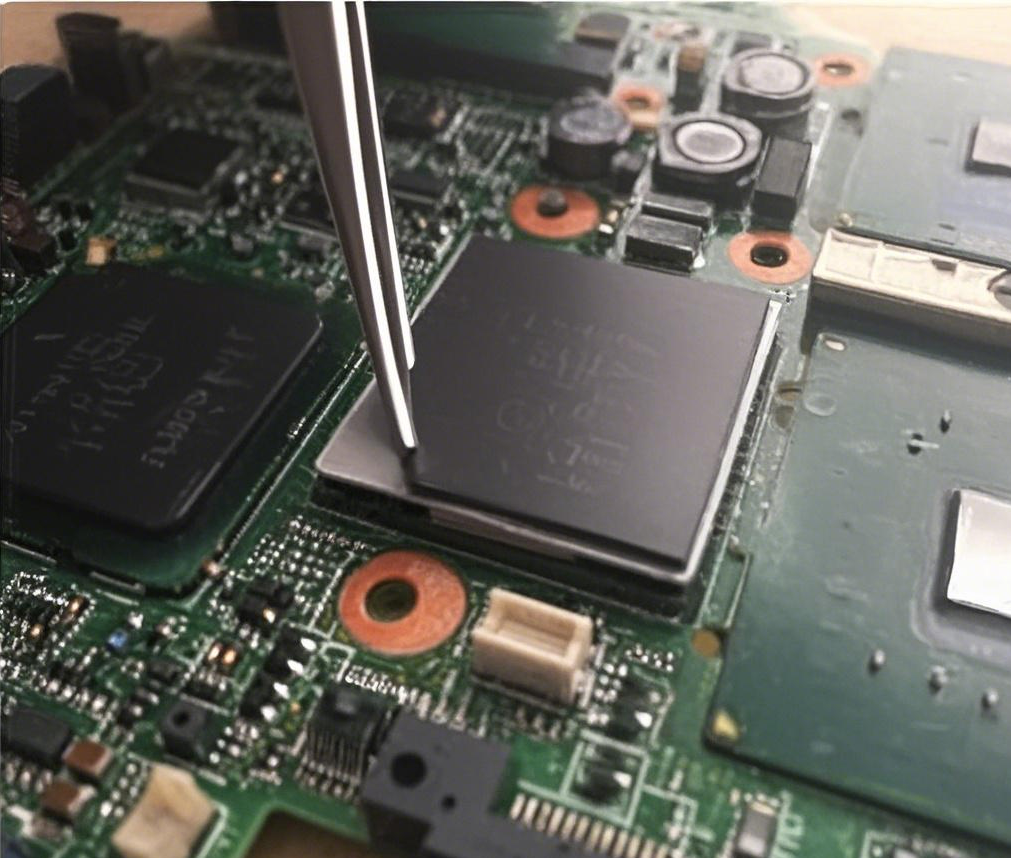
custom resin compounding service high-grade thermal conduction film glue?
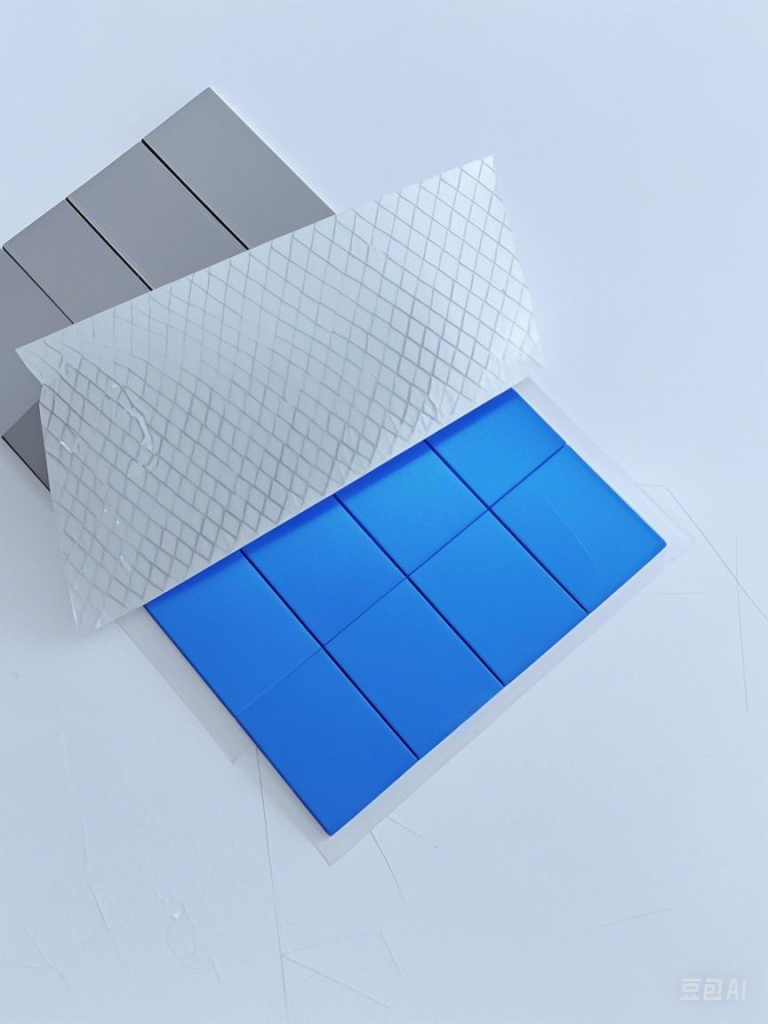
Within the demanding field of device coverage securing, sealants featuring acidic traits are recognized as effective answers on account of distinguished attachment traits and survival under tough conditions. Such agents form solid shields towards moisture, corrosion, and pollutants. Likewise, their harmonization with diverse substrate kinds augments application sectors.
- Albeit
- barriers exist
- linked to acid-enhanced sealants.
Such challenges cover effects on electrical parts and doubts about material endurance over time. In-depth research combined with continuous improvement works to alleviate concerns and upgrade acidic substance utilization in electronics packages
Thermally conductive layers: advancing heat control in tech gadgets
In the fast-evolving technological arena, effective heat removal has become a priority. Because electronics become tinier and yet carry higher loads, controlling heat growth is necessary. Innovative conduction layers offer high warming removal capacity plus adaptability. Such thermal layers incorporate into electronics to boost temperature control. Implementation in smart gadgets and portable gear extends battery longevity, advances throughput, and guarantees reliable operation.
- Thermal conduction membranes adapt structurally and materially to satisfy targeted heat control demands
- Insertion of thermally conductive films during build stages offers accessible and smooth adoption
- Progressive enhancements elevate thermal conduction membrane performance and widen application areas
Innovative PSDM Tools Fortifying Electronic Reliability
Throughout progressing electronic areas, enhancing device trustworthiness is paramount. Methods including PSDM represent key innovations supporting urgent requirements. PSDM allows users to track operational signs forehand, locate brewing errors, and enforce immediate corrections. This predictive focus critically lowers outage duration, enhances work rates, and grows apparatus life.
Electro-Conductive Silicone Glues
This fusion couples silicone adaptability with current flowing properties. They suit applications demanding both electrical connectivity and thermal conduction remediation. Also, protection against high heat, dampness, and ultraviolet rays expands their suitability for industrial and customer domains
- Widely employed within electronics, transportation manufacturing, and health services
Superior Acidic Sealants Designed for Challenging Conditions
Domains struggling with continual wear need durable seals. Our innovative acidic sealant offers superior defense against aggressive acid effects. Composed of strong, durable materials, this product firmly adheres to various substrates, ensuring lasting resistance against powerful acidic environments
- Key features encompass impermeability, high temperature resilience, and an extended operational lifespan
Invest in our elite acidic sealant to maintain dependable barrier integrity under tough demands
Heat Transfer Sealants Optimized for Device Cooling
Across electronic systems and cooling solution domains, conductive sealants prove crucial for effective heat management within gadgets. These formulations feature excellent temperature transfer traits, improving dispersal of excess warmth from device parts. By forming dependable bonds between key devices and their cooling units, thermal conductive sealants reduce temperature differentials. Resulting improvements include enhanced performance, sustained dependability, and greater lifespan through overheating prevention.
Selecting a suitable heat-conductive sealant involves considerations like working temperature, material matching, and adhesion criteria. Enhancement of thermal transfer substances consistently advances efficiency, fostering compact, dependable device cooling
High-Performance Bonding Properties of Conductive Silicone Sealants
Electric-conductive silicone adhesives provide outstanding adhesion across heterogeneous surfaces. Such outstanding adhesive capacity is critical to secure reliable electric continuity and prevent mechanical failure. Material design including silver components and carbon blacks ensures durable bonds with metal, polymer, and glass substrates. Firm bonding strengthens assembly resilience by preventing effects of vibration, heat variance, and water intrusion.
Acidic Sealant Suitability for Semiconductor Components
Selecting sealants for semiconductor devices mandates examination of matching with base layers. Providing solid grip, acid-based sealants could impose hazards on fragile semiconductor parts. In-depth testing and critical assessment confirm acid-based sealant compatibility with delicate semiconductor layers.
Conditions including acid potency, duration of contact, and atmospheric temperature affect sealant action and material compatibility. Implementing exacting assessments secures avoidance of corrosion or degradation in sensitive semiconductor parts by selected sealants
Role of Conductive Films in Device Assembly Processes
Electric-conductive layers offer necessary participation in enabling power conduction within gadget manufacturing. Conductive films support unimpeded current delivery sustaining efficient performance of elaborate circuitry. Fields of application comprise bendable screen technology, transistor films, sensor units, and integrated microchips. Effectual conductivity with slim dimensions enables wide use in cutting-edge product engineering
The features of conductive sheets undergo accurate calibration to align with diverse application criteria. Demonstrating fine-tuning involves regulating charge flow to obtain best efficiency and device functionality. Moreover, conductive layers embed onto bases such as glass, synthetic polymers, and metals promoting design versatility and crafting possibilities
- Attributes include adaptability, lightweight construction, and affordable application methods
- They are increasingly integrated into devices such as smartphones, laptops, and wearable electronics
- Advancing technology includes clear, supple, and self-mending conductive films presenting enhanced power transmission
Analyzing PSDM and Classic Bonding Methods
Adhesion science features key strategies including PSDM and classic bonding systems. This overview surveys differences and commonalities emphasizing pros and cons. PSDM presents fast, exact processes apt for sensitive components. In contrast, traditional approaches utilize physical means frequently resulting in strong adhesion but require more time
- The primary advantages of PSDM include flexibility and simplicity of application
- Established joining methods usually yield firmer bonds preferred in demanding contexts
Emerging Innovations in Acidic Sealant and Conductive Film Fields
Progress in acid-based sealant and conductive film sciences promises remarkable improvement. Main tendencies emphasize crafting durable adhesives able to withstand extreme operational settings. Together, studies focus on optimizing conductive Conductive Film/thermal Conductive Sealant membranes for flexible computing, sensory technology, and energy capture.Joint efforts integrating scientists with market leaders remain indispensable for innovation momentum. Such partnerships establish adaptive development paths for acid-formed sealant and conductive membrane solutions tailoring to market evolution