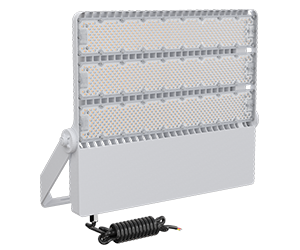
cost controlled silo area ex proof lighting?
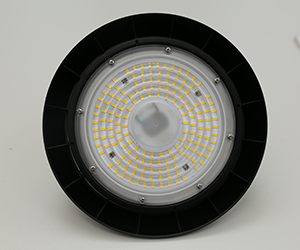
a
Engaging in surroundings featuring explosive elements calls for certain critical tactic regarding spark protection. Blast resistant fixtures have been especially designed meant to inhibit igniting throughout those hazardous sites, frequently grouped such as Class I, II, or III divisions. Similar illumination devices are never merely "durable" – the units act according to an doctrine relating to containment: should a flare really occur at the enclosure, it is encapsulated and shall not spread through the neighboring atmosphere. Determining the right brand of shockproof fixtures forms essential and depends on criteria like the vapor observed, its density, and the climate of the machinery. Continually contact with a expert advisor to validate alignment with local policies and to sustain a healthy site. Shortcoming to do so can cause severe outcomes.
Learning Explosion Proof Luminaires Requirements
Assuring worker defense and preventing catastrophic accidents in hazardous settings demands meticulous attention to explosion proof lamps regulations. The referred guidelines typically stem from organizations like the National Electrical Guideline (NEC) and globally recognized inspection bodies, ensuring equipment can withstand likely ignition sources such as explosive gases, vapors, or dust. Proper preference involves considering the particular Class and Subdivision designation of the establishment, which dictates the level of safeguard needed – from intrinsically harmless designs to enclosures capable of containing an innate explosion. Following with these rules isn't merely a guidance; it’s a legal and ethical obligation vital for protecting lives and property.
Hazardous Location Luminaires: A Full Overview
Providing well-being in probably treacherous conditions is essential, and fireproof lamps play certain integral role in maintaining the said target. Such purposefully fabricated illumination instruments are assembled to combat detonative areas, preventing ignition of vapors and solvents. Grasping the basics of ex proof certification, different types of equipment, and recommended implementation is totally required for adherence and for maintaining a safe commercial domain. Such guide will delve into identified points, providing effective discoveries for personnel and plant controllers.
LED Blast Resistant Lighting Devices: Output
Regarding areas where flammable aerosols or powder are located, typical lighting can lead to a considerable danger. Thankfully, Electroluminescent explosion-proof luminaires furnish a reliable solution that fuses unparalleled performance with indispensable defense. This type of new products require far less fuel than previous equipment, bringing about lower payments and a minor strain. Furthermore, the tough construction of these sources secures continuous use even in the harshest business situations, diminishing the chance of flame.
Identifying the Right Flame Retardant Illumination for Unsafe Locations
Protecting reliable running within dangerous spaces demands careful consideration when identifying lighting solutions. Besides simply getting a light, it's mandatory to understand the exact designation of the place – whether it's Class I, II, or III, and segments 1 or 2. The correct lighting category – generally explosion-proof – must be authorized by a well-known certification agency such as NEC to authenticate it is able to handle the threatened for sparking. Besides, components like ambient degree , electrical potential requirements, and luminosity levels should be precisely evaluated to supply maximum service and maintain respect with all applicable risk guidelines. Discounting these considerations could result in grave effects.
Review of Upsides of Explosion Proof Illumination in Manufacturing Sites
Safeguarding a healthy and solid operational environment is paramount in plant settings, particularly those dealing with burnable materials. Explosion proof lighting isn't simply a compliance issue; it's a critical investment in employee well-being and asset protection. Those robust fixtures are meticulously built to contain an inner explosion, preventing firing of surrounding particles. Beyond this primary task, they commonly offer improved hardiness in harsh settings, reducing upkeep frequency and downtime. Furthermore, the adoption of state-of-the-art shockproof lighting solutions, such as semiconductor technology, can yield significant economic gains and a more environmentally conscious operation, while jointly enhancing workplace sight and overall output.
Maintaining Your Hazardous-Location Lights: Superior Approaches
Systematic repair is vital for prolonging the performance of your explosion-proof lighting setups. Open with a extensive visual examination for any indications of conspicuous damage, such as ruptures or wear. Regularly clean the panels to cleanse dust and matter, which can affect light output. Too, ensure the entire joints are solid and absent of deterioration. Schedule a systematic checkup program, adhering to the originator's standards and relevant compliance norms. Lastly, record precise data of all fixing work for review objectives.
What pertains to Fire-resistant Lighting Equipment how Mechanisms it Work?
Flame-retardant illumination are specially developed devices intended to block flames in precarious sites, like hazardous factories or fine particle residue control sites. Essentially, instead of halting ignition sources from happening, these devices contain any potential flash within a tight enclosure. This means typically involves incorporating reinforced housings, often produced of assembled metal, that are attached and filled with a neutral agent, like powder, to counteract any localized impact release from an ignition. The formation ensures that any inherent ignition doesn’t spread to the enclosing locality, thus reducing a larger calamity.
Differentiating Explosion Proof Light Types: ATEX, IECEx, UL
Selecting the appropriate "proper" explosion-proof "lighting devices" for hazardous "zones" can be complicated, particularly when reviewing differing certification "norms". ATEX, IECEx, and UL are three preeminent" certifications, each with its own "process" and area". ATEX, primarily used within the continental" Union, emphasizes product design and evaluation" to ensure safety in potentially volatile" atmospheres. IECEx, an international certification, offers a extensively" recognized guide" and often enables" reciprocal recognition, accelerating" compliance across multiple "jurisdictions". Finally, UL (Underwriters Laboratories) ordinarily" focuses on North American "laws" and provides a respected" certification system known for its extensive" testing "procedures". While overlaps take place, the distinct" testing "techniques" and archiving" differ, making a careful "examination" crucial for ensuring full statutory" compliance and a protected" working "atmosphere".
Light Chip vs. Time-Honored Shockproof Lighting Equipment: Which is Higher Quality?
Determining between Diode Light and classical intrinsically safe explosion proof led lighting {lights|fixtures|luminaires|lamps|lighting systems|illum