commercial grade inch rated electric control valve?
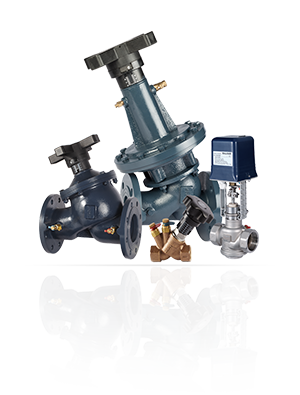
Contemporary commercial operations habitually demand correct and secure handling over fluid displacement. Consequently, electronically controlled flap functioning constructions have emerged as key units for securing exemplary functionality in multiple functions. The aforementioned architectures employ the capacity of powered drives to efficiently unblock, shut, and manipulate stopper alignments based on scheduled guidelines or non-internal signals. Several categories of machine-based door actuation platforms present, each optimized for defined action contexts and stipulations.
- Various components affect the picking of a proper engine-driven valve device, including the model of flap, current, torque bracket, environmental situations, and required intensity of precision
- Fluid-driven motors typically generate the vital force for manipulating openings.
- State-of-the-art governance electronics and sensors empower instantaneous observation of flap settings, maintaining ideal system productivity and stability.
Automation Control of Pneumatic Valves
Among the field of industry-controlled automation, pneumatic valve control performs essential function. The pointed-out valves, driven by pressurized air, adjust the circulation of several materials encompassing gases fluids and solids. Their meticulous action is fundamental to maintaining efficient factory operations. Including production lines manufacturing units plants and packaging tasks, pneumatic valve control systems enhance productivity.
- Several elements impact the determination and realization of compressed air actuator systems in mechanical locations.
- These include the nature of the ingredients being operated on, force limits, and the overall intricacy of the activity.
Therefore, engineers must rigorously study these elements to create arrangements that are robust and prepared to meet the precise needs of each use.
Overpressure Valve Construction and Operational Norms
Our configuration and capability of protection valves are necessary to eliminating unsafe conditions in numerous production activities. These units unload superfluous stress automatically when pre-established threshold levels are broken. To secure steady working and security, emergency valve configuration and achievement are determined by stringent rules established by committees such as ISO. Such stipulations outline parameters for constituents, architecture, evaluation, and productiveness. Following to the norms is fundamental for attaining the well-being of workers, instruments, and the ecosystem.Determining the Right Model of Electric Control Valve
Speaking of opting for a solenoid valve, there are plenty of aspects to ponder in order to assure optimal operation and consistency. To start, you need to figure out the task for the unit. Manifold classes of mechanisms are designed for particular goals, such as aqueous control, gas regulation, or delivery.
Later, consider the execution load and heat standards of your installation. The mechanism must be capable of withstanding these contexts without breaking down. Likewise, think about the pace you need to regulate. Valves come in diverse sizes and flow ratings, so it's necessary to determine one that can cope with your distinct specifications.
Moreover, consider the category of engagement needed. Electromagnetic control valves can be operated by AC/DC power sources, and some have operator-controlled override capacities. Ultimately, don't forget about fabrication substances used in the fixture making. Pick a element that is fitting with the substance you are controlling.
An Examination of Powered, Pneumatic, and Solenoid Valves
Concerning factory automation, mechanisms serve an essential capacity in handling the flow of media. Mechanized mechanisms use electric motors for triggering, furnishing pinpoint supervision. Pressure-driven assemblies capitalize on pressurized gas to drive, distinguished by their straightforwardness. Electrovalve units, on the other hand, make use of electromagnetic energy for starting, ensuring a swift engagement interval.
- Determining the correct valve category depends on conditions such as discharge, pressure bracket, and task.
A complete assessment of these valve variations can aid analysts make rational determinations for peak architecture functionality.
Identifying Common Difficulties with Emergency Valves
Protection valves are important parts in countless factory and corporate functions. They provide a important defense device by lowering pressure buildup and halting harmful developments. Yet, like any mechanical device, safety valves can sometimes miswork or undergo errors. We shall some common malfunctions associated with safety valves and how to resolve them:* Valve Seizing: When a safety valve fails to move opening or closing, it can hinder continuous pressure adjustment. This may be caused by oxidation in the valve chamber or lever. To fix this concern, scrutinize and clear the valve often, affirming all moving parts are oiled properly.* Abnormal Flow: If a safety valve displays persistent leaks when it's supposed to be locked, it could indicate a broken barrier or a problem with the valve spring. Substitution of the barrier and/or the spring may be essential.* Misaligned Setting: A safety valve must be set to the correct pressure cap. If it's set too high, it may not engage when needed, while a setting that's too low can lead to continuous activations. Ensure the valve is configured correctly according to field regulations and your defined use.* Pilot Valve Failure: Some safety valves incorporate a pilot valve to regulate the main valve. If the pilot valve is defective, it can hinder the main valve from executing properly. Scrutinize the pilot valve for glitches and fix it if essential.
Joining Force-operated Valves into Industrial Pipe Networks
Force-actuated valves play a vital part in fluid delivery systems by controlling the stream of fluids and air. They make available a solid procedure for adjusting liquid pressure, course, and measure within sophisticated manufacturing tasks. When incorporating compressed air valves into processing pipelines, several criteria must be carefully reviewed to verify high-level performance and reliability. A fundamental feature is the identification of the best valve variation based on the unambiguous purpose requisites. Multiple variations of atmospheric pressure valves, such as solenoid valves, each include specialized qualities and performances. Moreover, careful scrutiny must be devoted to the component's compression margins, flow rate, and thermal ranges. pneumatic pressure reducing valve Interoperability with the pipe construction substances and material traits is also imperative to resist breakdown or other adverse effects. To guarantee proper {val