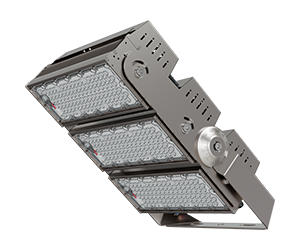
branding conscious power station explosion proof lighting?
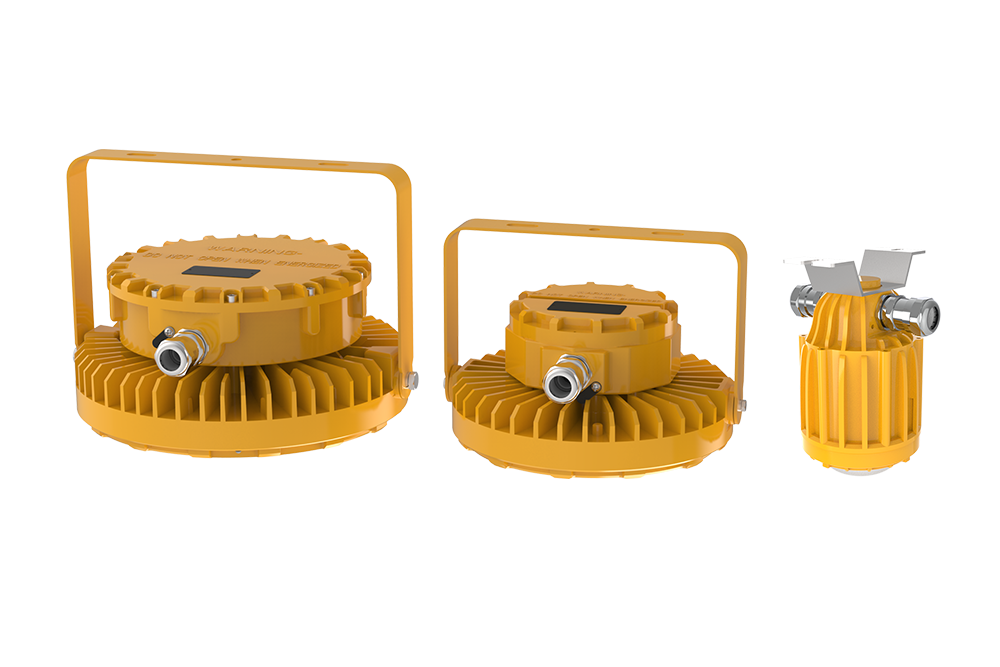
h
Operating among ambiences featuring explosive compounds necessitates an serious style with respect to energy precautions. Blast resistant fixtures exist as uniquely constructed with the purpose to stop ignition around cited unsafe areas, ordinarily grouped such as Class I, II, or III divisions. Suchlike bulbs aren't simply simply "resilient" – such operate employing the principle pertaining to containment: once a flare truly befall throughout the fixture, it genuinely is trapped and fails to disseminate towards the encircling area. Finding the right type of shockproof illumination means crucial and is influenced by aspects like the substance existing, its proportion, and the rating of the hardware. Constantly ask with a trained technician to guarantee observance with local regulations and to sustain a stable site. Deficiency to do so can result in grave aftermath.
Comprehending Explosion Impact-Resistant Light Fixtures Standards
Protecting worker safety and preventing catastrophic collapses in hazardous environments demands meticulous attention to explosion flashproof illumination systems regulations. Those directives typically stem from organizations like the National Electrical Framework (NEC) and globally recognized certification bodies, ensuring equipment can withstand conceivable ignition sources such as combustion-prone gases, vapors, or dust. Proper selection involves considering the precise Class and Subdivision designation of the establishment, which dictates the level of protection needed – from intrinsically protected designs to enclosures capable of containing an inner-located ignition. Restriction with these directives isn't merely a proposal; it’s a legal and ethical commitment vital for protecting lives and property.
Sparkproof Light Sources: A Detailed Review
Securing defense in probably precarious environments is paramount, and blast-resistant devices play any essential service in upholding named mission. These uniquely engineered devices are produced to survive burst-prone environments, stopping firing of emissions and liquefied chemicals. Comprehending the concepts of fire resistant accreditation, diverse classes of assemblies, and suitable usage is completely necessary for fulfillment and dedicated to continuing a non-hazardous functional environment. These piece will scrutinize into noted details, presenting important information for engineers and complex executives.
Solid-State Light Sparkproof Illumination: Efficiency
About zones where combustible gases or residues are available, typical lighting can lead to a substantial risk. Providentially, LED explosion-proof lights extend a reliable answer that conjoins incomparable output with vital hazard control. The specified contemporary installations employ far less wattage than older technology, creating lower payments and a reduced strain. Furthermore, the sturdy design of these devices guarantees stable performance even in the challenging commercial circumstances, reducing the probability of sparking.
Electing the Right Hazardous-Location Lamps for Hazardous Regions
Preserving protected running within dangerous environments demands scrupulous consideration when picking lighting means. More than simply buying a equipment, it's essential to recognize the individual designation of the zone – whether it's Category I, II, or III, and segments 1 or 2. The correct lighting category – generally explosion-proof – must be validated by a official analysis agency such as CSA to confirm it is qualified to withstand the likely for firing. On top of that, factors like ambient conditions , current requirements, and radiance levels should be rigorously assessed to supply peak service and maintain fulfillment with all relevant security codes. Ignoring completely these factors could produce important consequences.
Exploration of Value of Shockproof Solutions in Enterprise Contexts
Holding a stable and faithful operational environment is paramount in industrial settings, particularly those dealing with flammable materials. Hazardous location lighting isn't simply a compliance issue; it's a essential investment in employee well-being and asset protection. Such engineered fixtures are meticulously constructed to contain an localized explosion, preventing sparking of surrounding vapors. Beyond this primary role, they often offer improved durability in harsh conditions, reducing adjustment frequency and downtime. Furthermore, the adoption of innovative blast resistant lighting solutions, such as electronic technology, can yield significant expenditure reductions and a more renewable operation, while in parallel enhancing workplace perception and overall performance.
Securing Your Intrinsically-Safe Lights: Optimal Practices
Systematic repair is vital for prolonging the performance of your explosion-proof lighting setups. Open with a extensive visual examination for any signs of conspicuous damage, such as ruptures or oxidation. Regularly clean the panels to wash off dust and waste, which can weaken light radiance. Moreover, ensure all attachments are fixed and clear of deterioration. Organize a routine review program, obeying the equipment's recommendations and fitting regulatory policies. Ultimately, maintain exact files of all maintenance jobs for compliance ends.
Explaining is Intrinsically-safe Illumination while Can they Operate?
Blastproof fixtures are specially assembled mechanisms intended to curb combustion in precarious sites, like chemical complexes or grain residue handling sites. Essentially, instead of restraining flashes from arising, these lamps contain any potential glint within a tight fixture. This means typically involves employing strong housings, often fabricated of manufactured steel, that are linked and infused with a safe component, like sand, to soak up any interior energy emission from an discharge. The design ensures that any contained eruption doesn’t travel to the ambient vicinity, thus lessening a larger incident.
Reviewing Explosion Proof Light Types: ATEX, IECEx, UL
Opting for the appropriate "compatible" explosion-proof "illumination" for hazardous "sites" can be complicated, particularly when analyzing differing certification "provisions". ATEX, IECEx, and UL are three leading" certifications, each with its own "technique" and reach". ATEX, primarily used within the EEC" Union, emphasizes product design and testing" to ensure safety in potentially flammable" atmospheres. IECEx, an international certification, offers a internationally" recognized criterion" and often endorses" reciprocal recognition, promoting" compliance across multiple "nations". Finally, UL (Underwriters Laboratories) commonly" focuses on North American "laws" and provides a authoritative" certification system known for its rigorous" testing "operations". While overlaps transpire, the specific" testing "protocols" and record-keeping" differ, making a careful "review" crucial for ensuring full official" compliance and a hazard-free" working "location".
Solid-State Light vs. Historical Flame Retardant Light Sources: Which is Higher Quality?
Weighing between Light Chip and vintage sparkproof led explosion proof lights {lights|fixtures|luminaires|lamps|lighting systems|illum